scroll to:
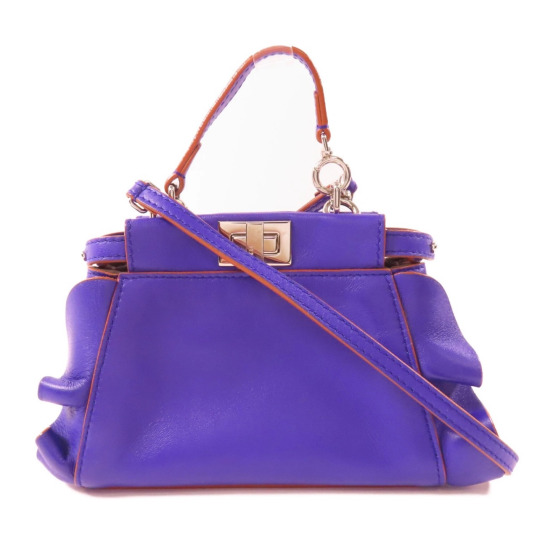
Bag (brand, model, color):
Fendi SHW 2-Way Bag, Calfskin Leather, Purple
• Connection to place (why this destination fits the bag):
Sourced through a Japanese luxury resale seller. Japan is a global fashion resale hub, especially for Fendi. Purple has cultural resonance in Japan (associated with nobility and spirituality), making it a symbolic fit.
• Destination (country):
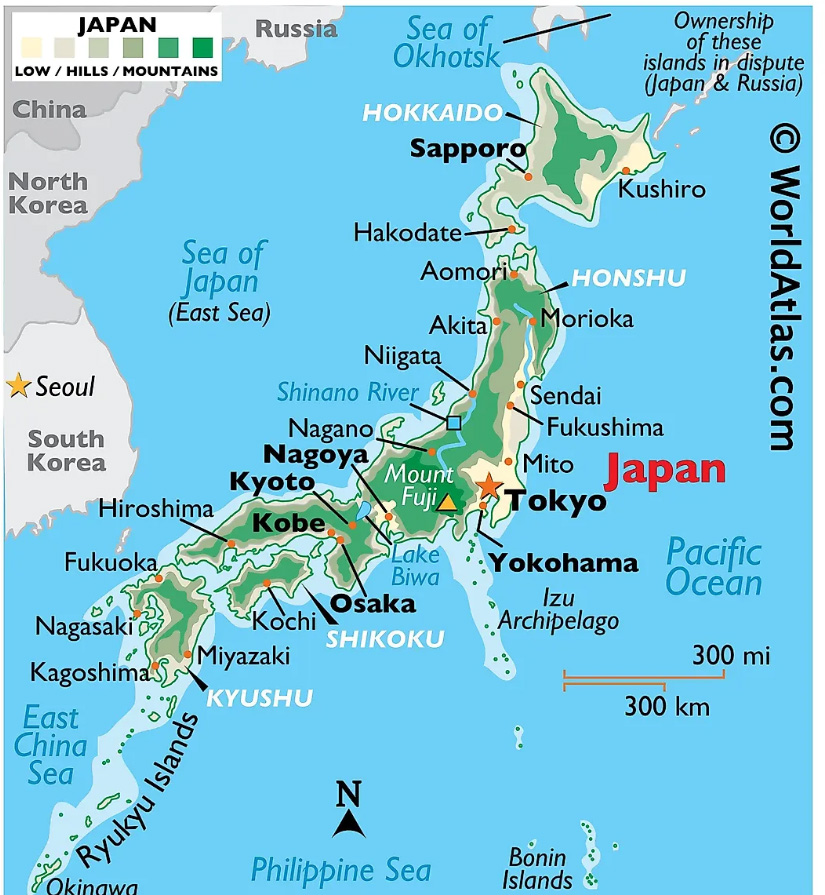
Japan (multi-city: Tokyo, Osaka, Kyoto, Hiroshima, Nagasaki)
• Airport(s) + nonstop option from Chicago (ORD/MDW) (airlines/routes):
• ORD → HND (Tokyo Haneda) nonstop (ANA, JAL, United)
• Return from Fukuoka (FUK) or Nagasaki via Tokyo HND/NRT
• Season & weather window (best months; typical highs °F/°C):
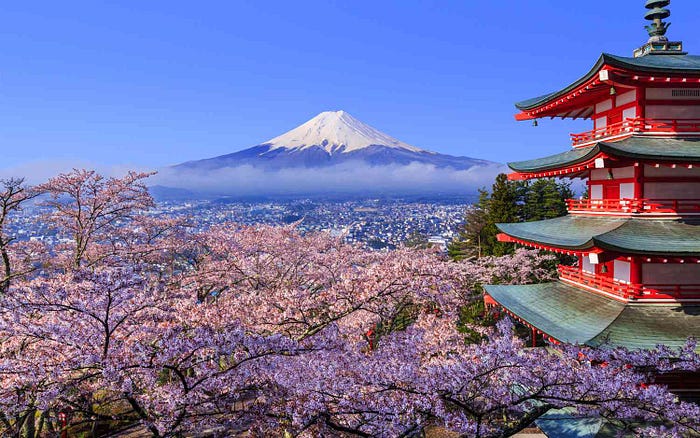
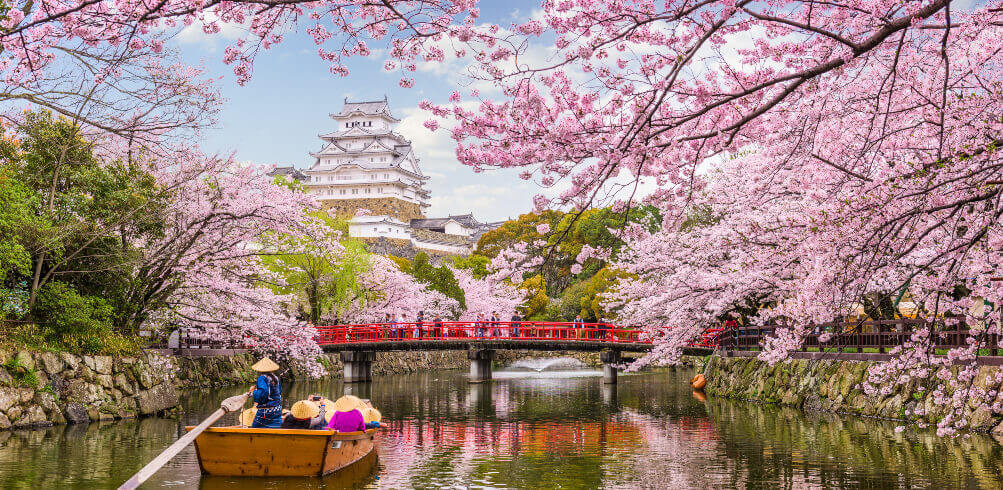
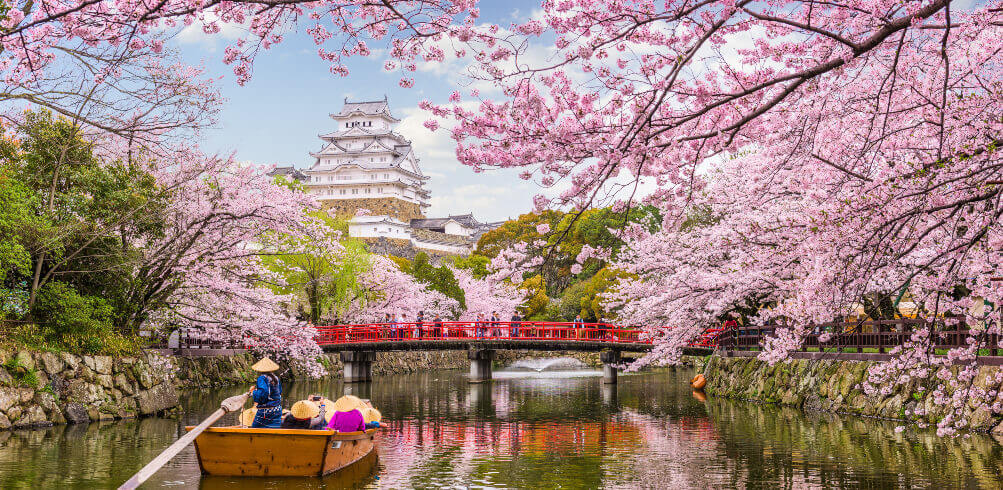
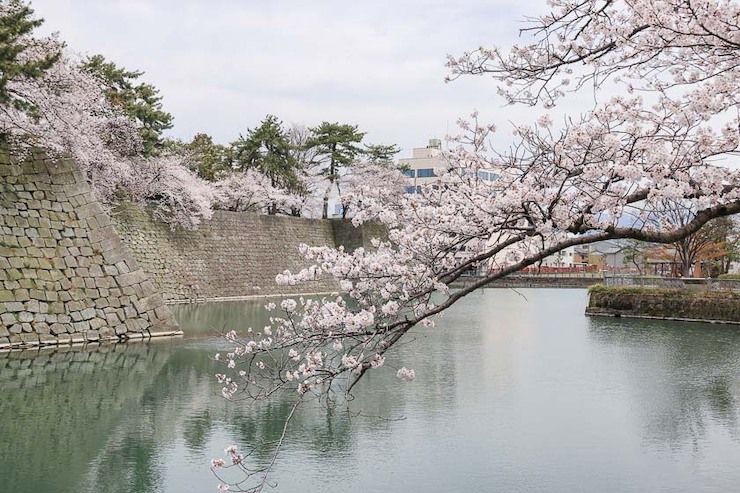
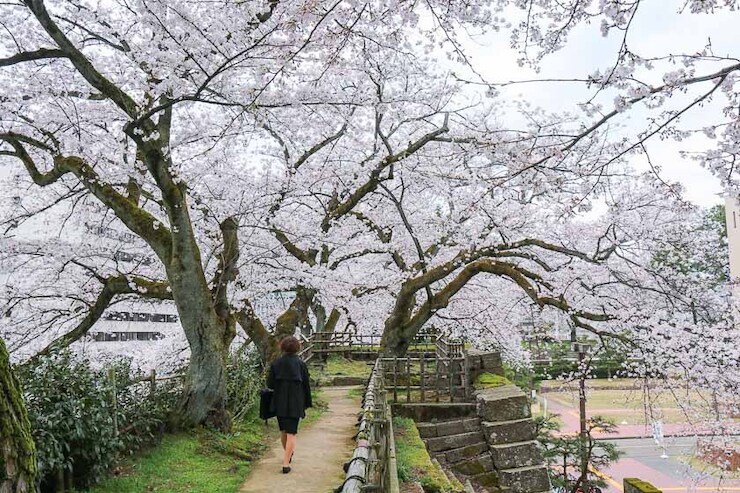
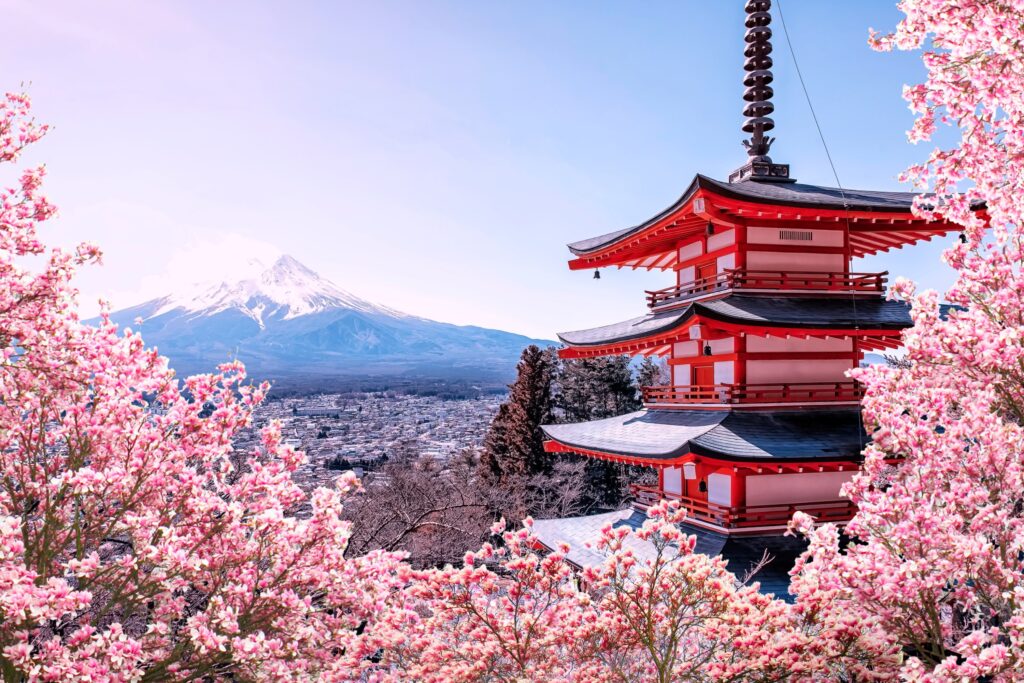
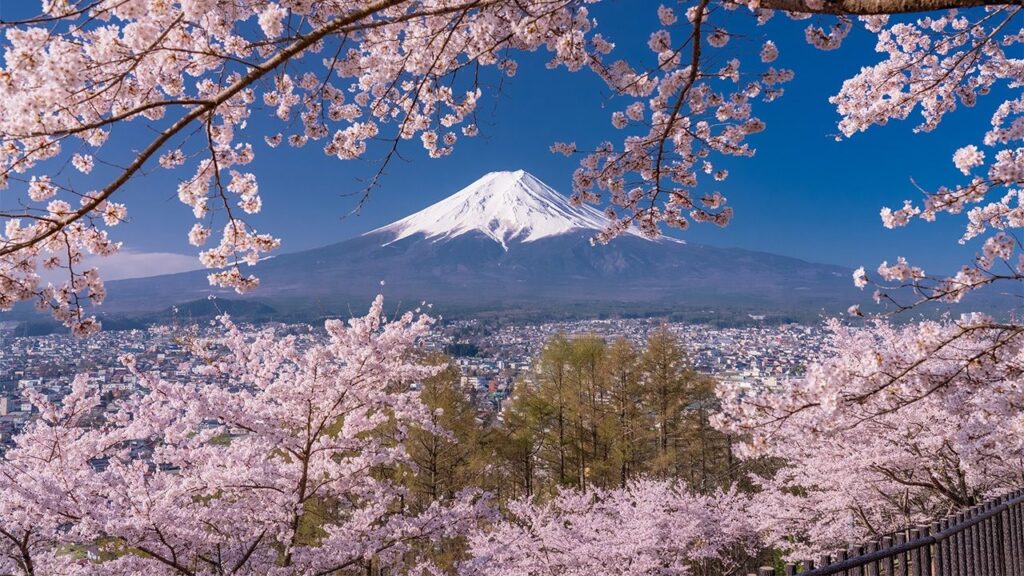
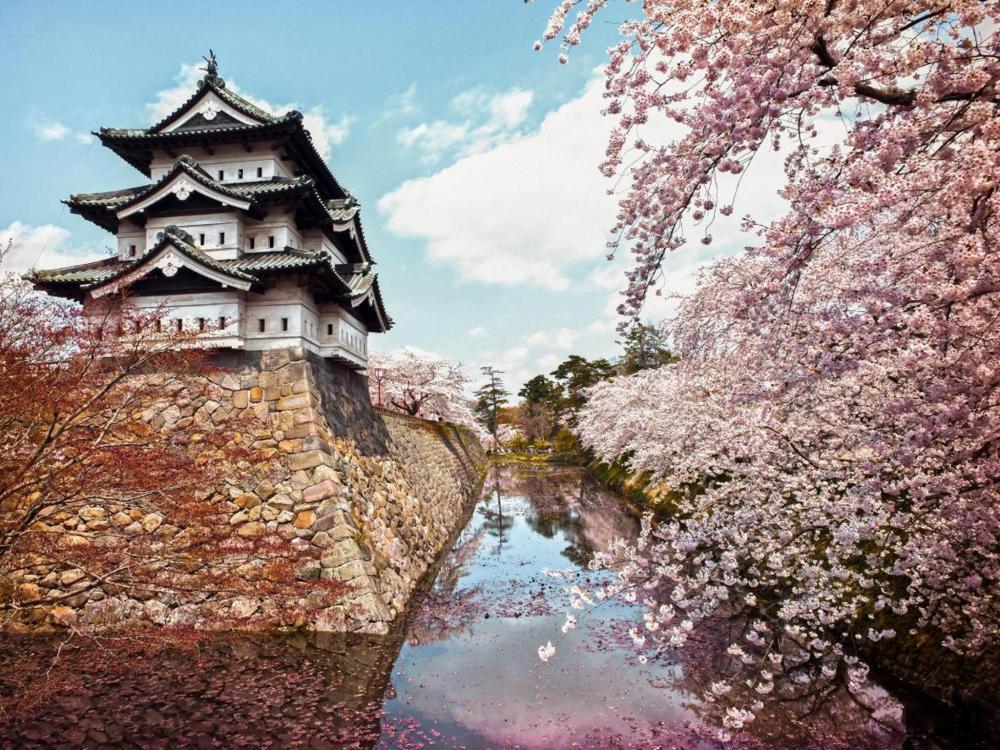
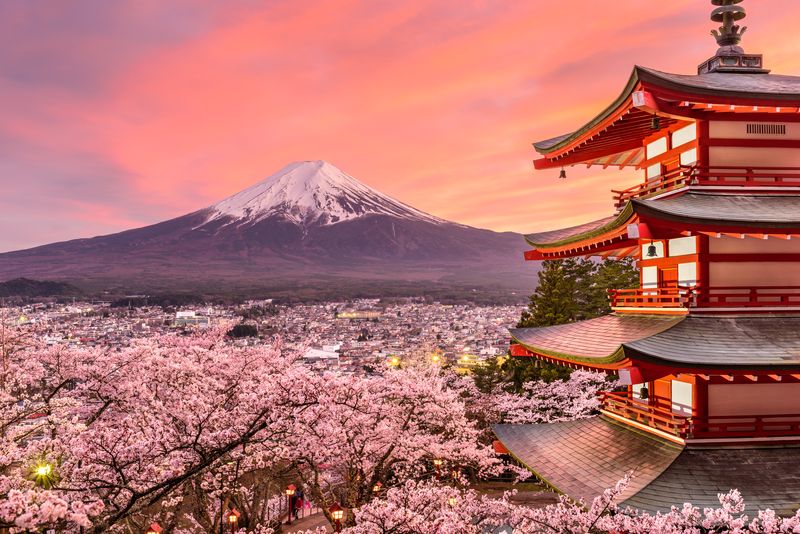
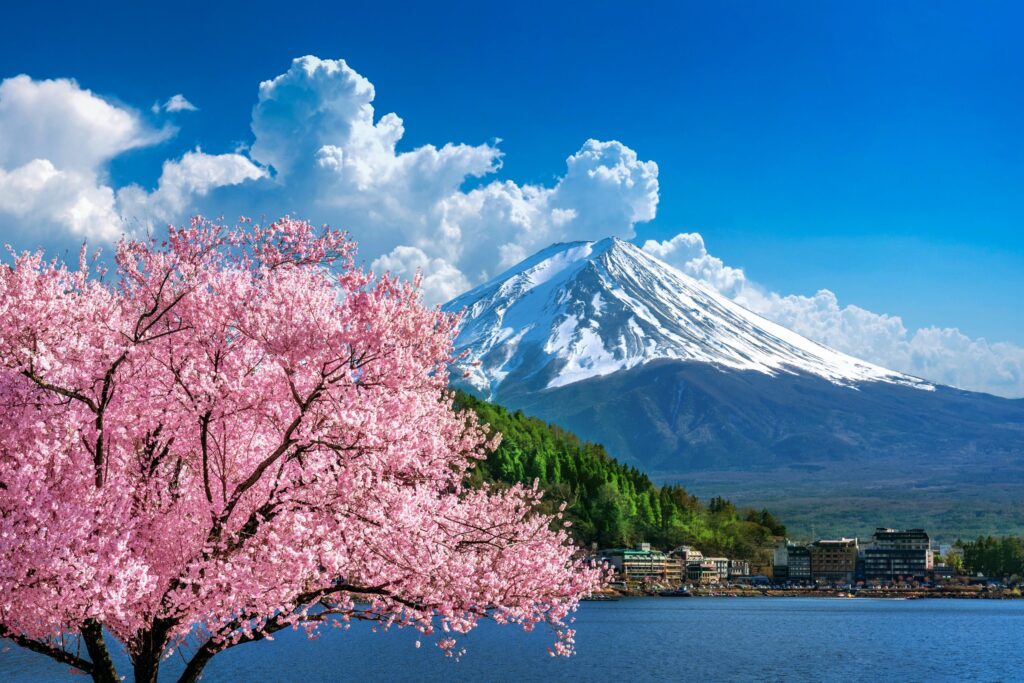
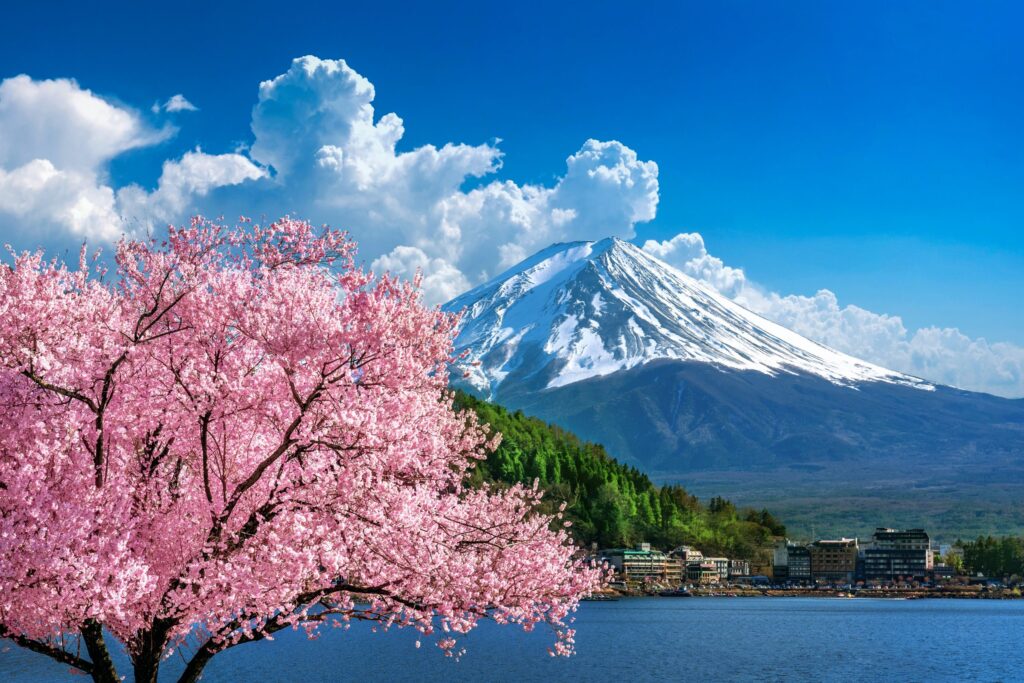
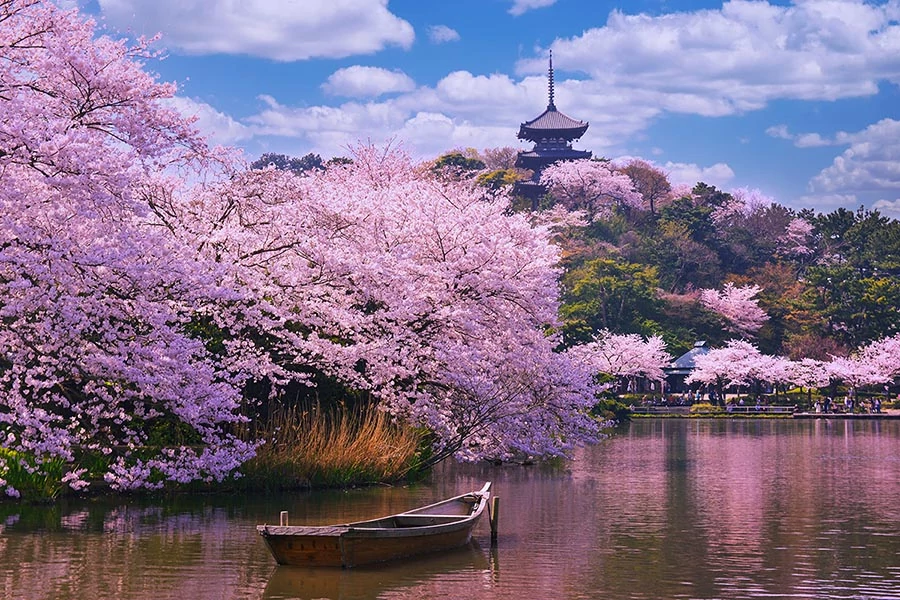
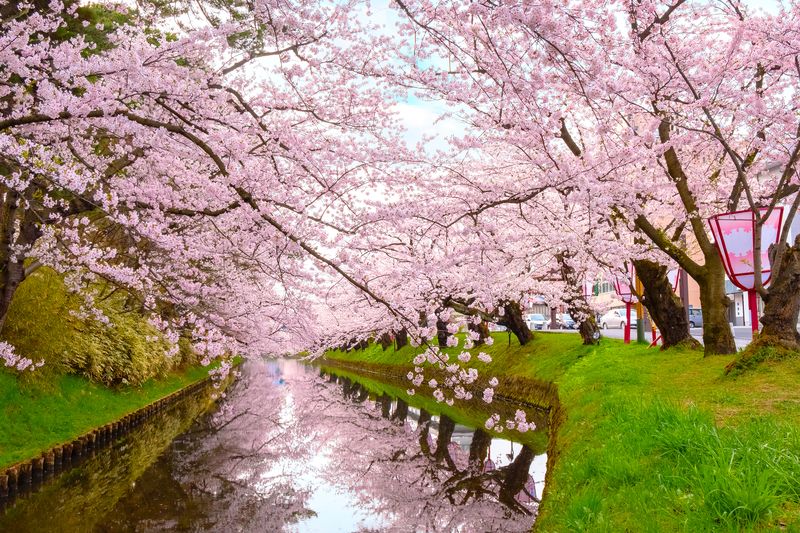
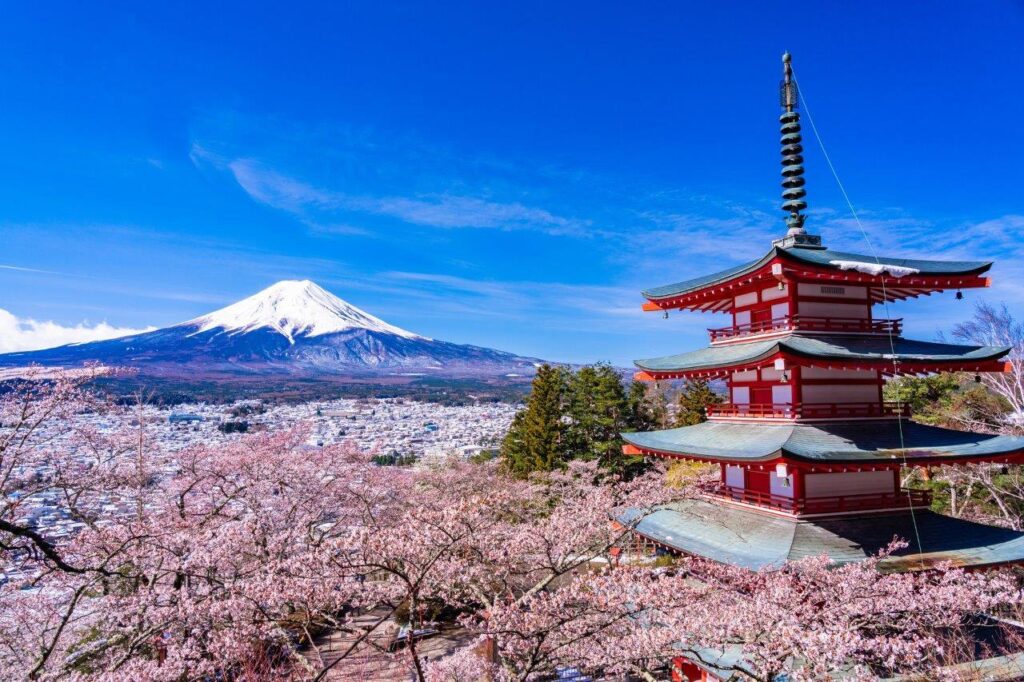
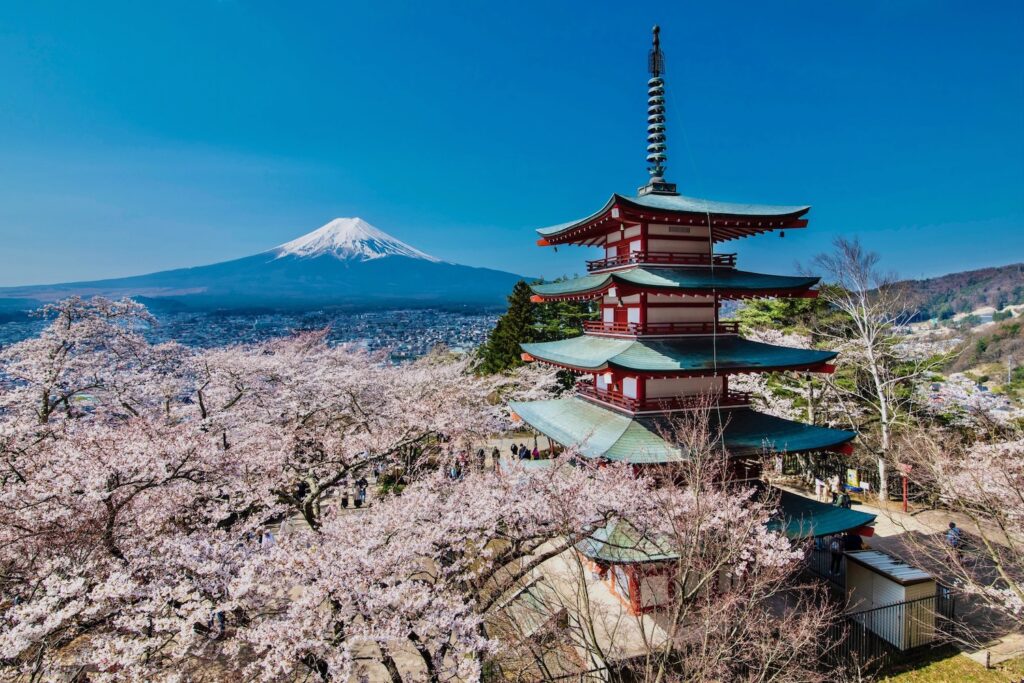
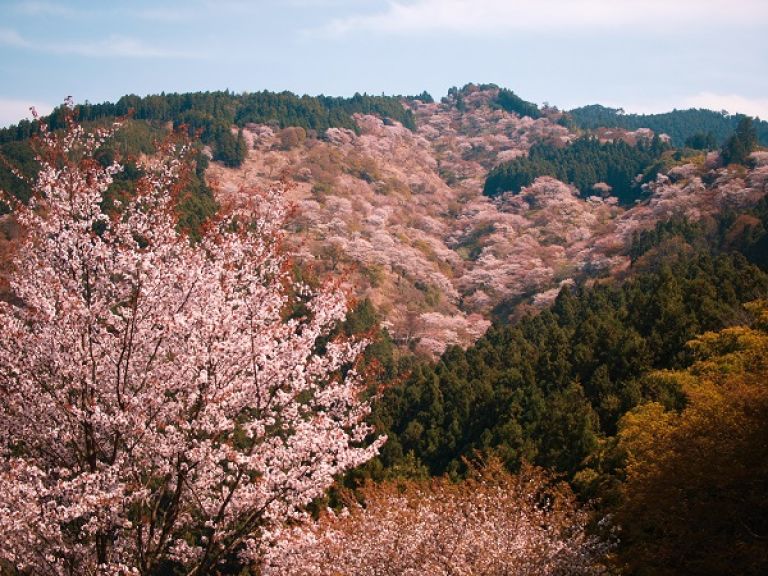
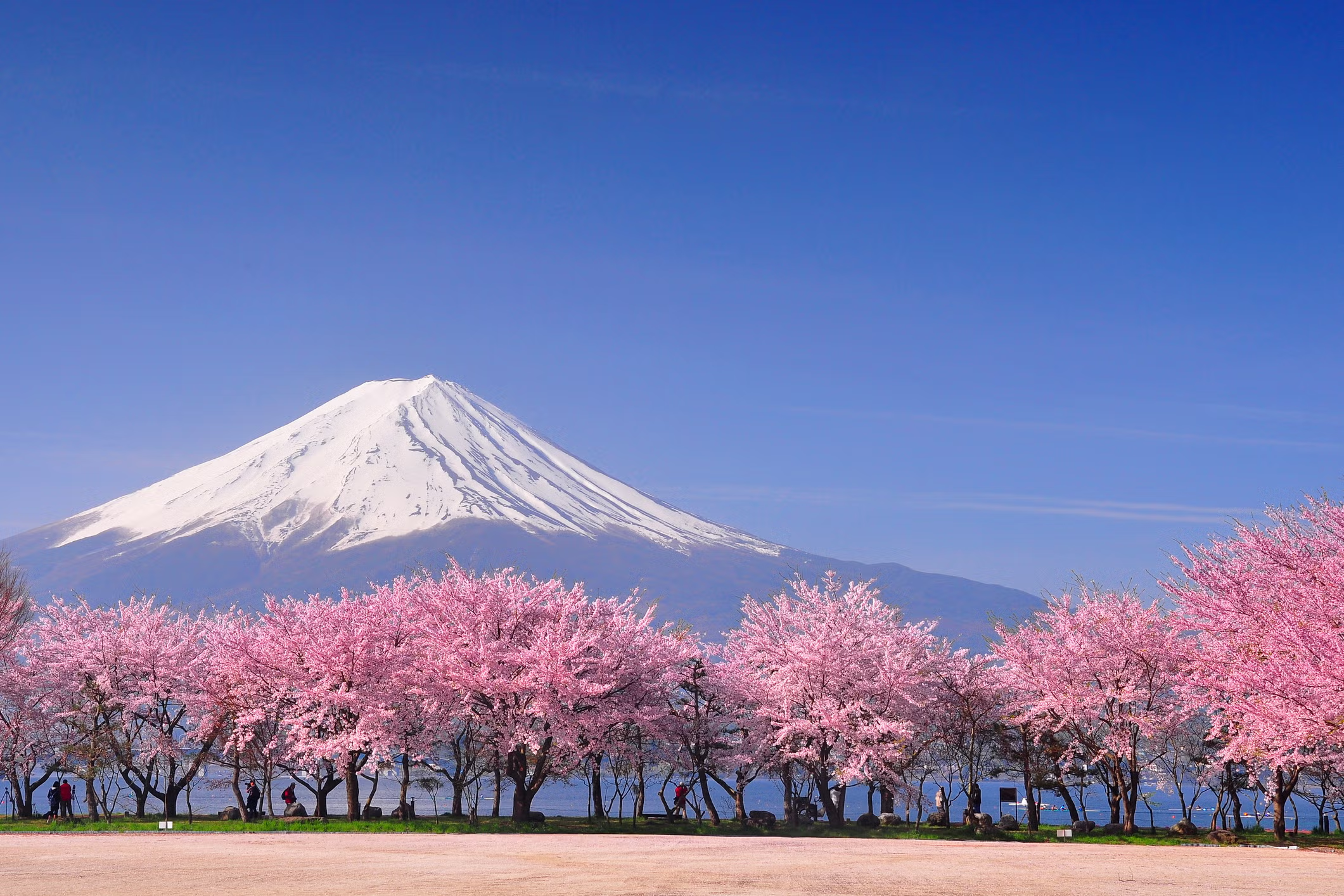
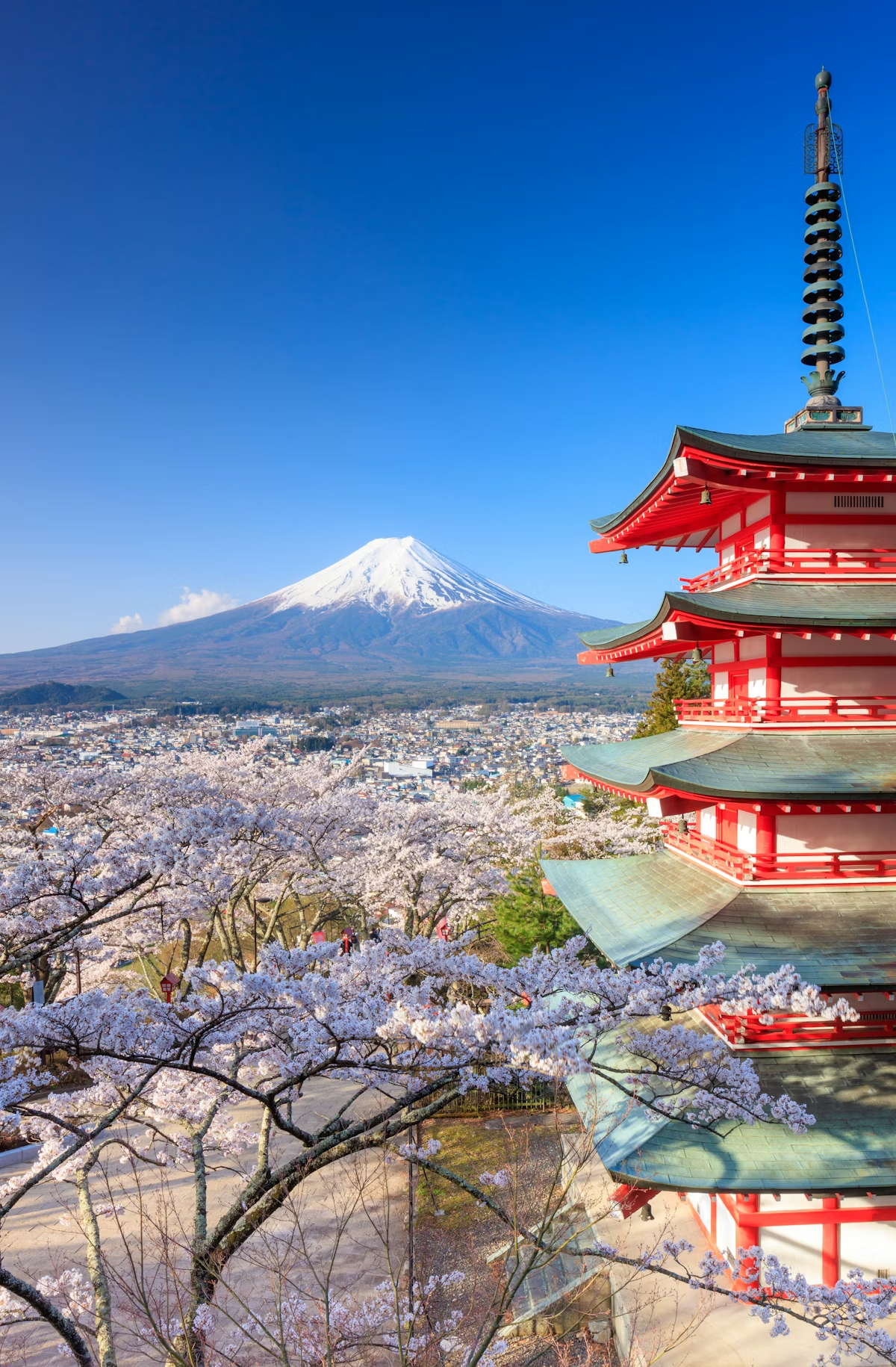
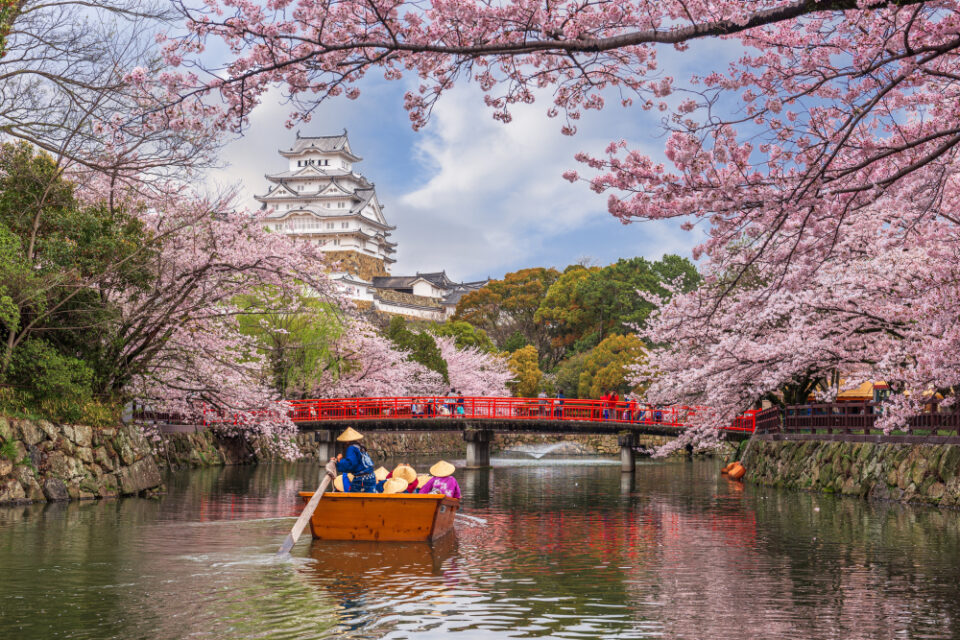
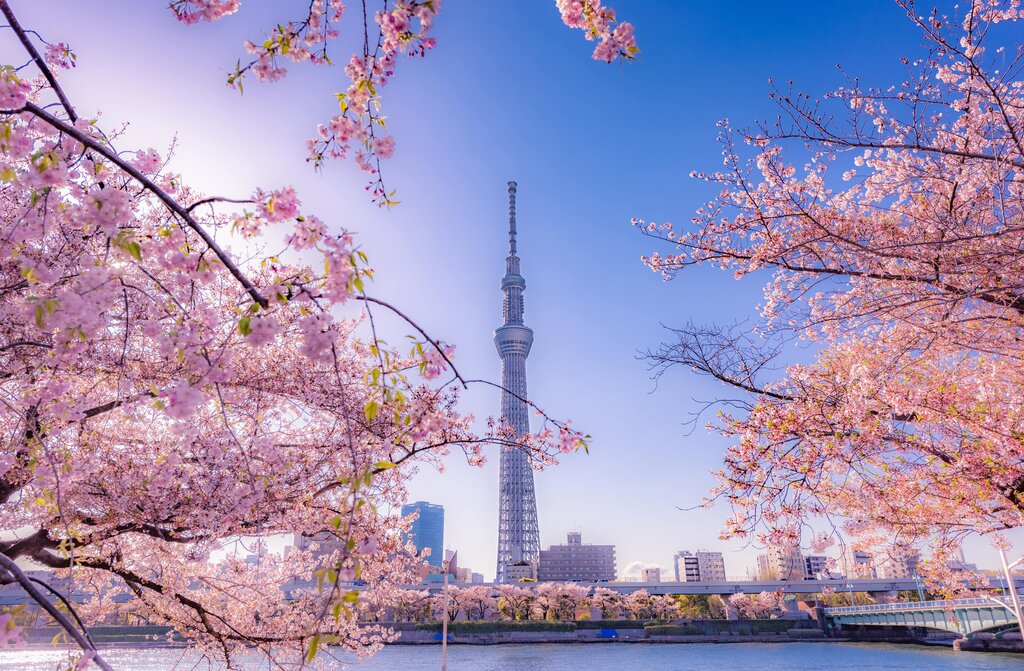
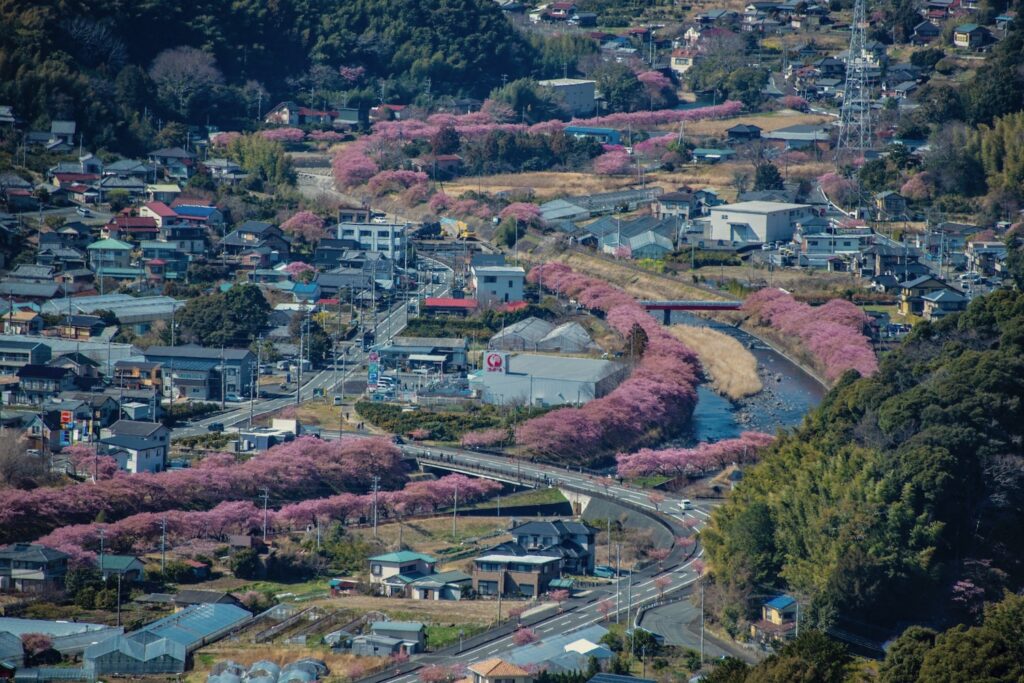
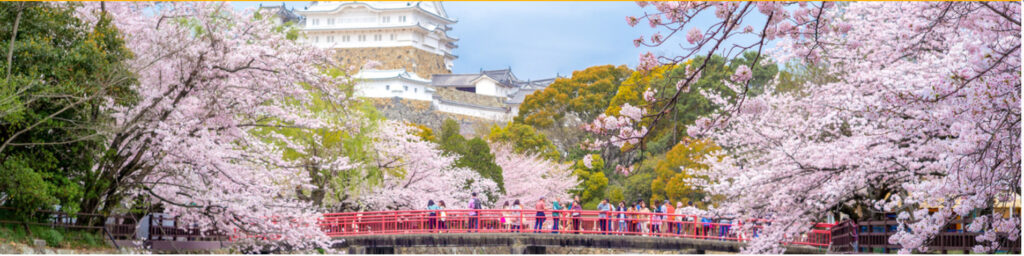
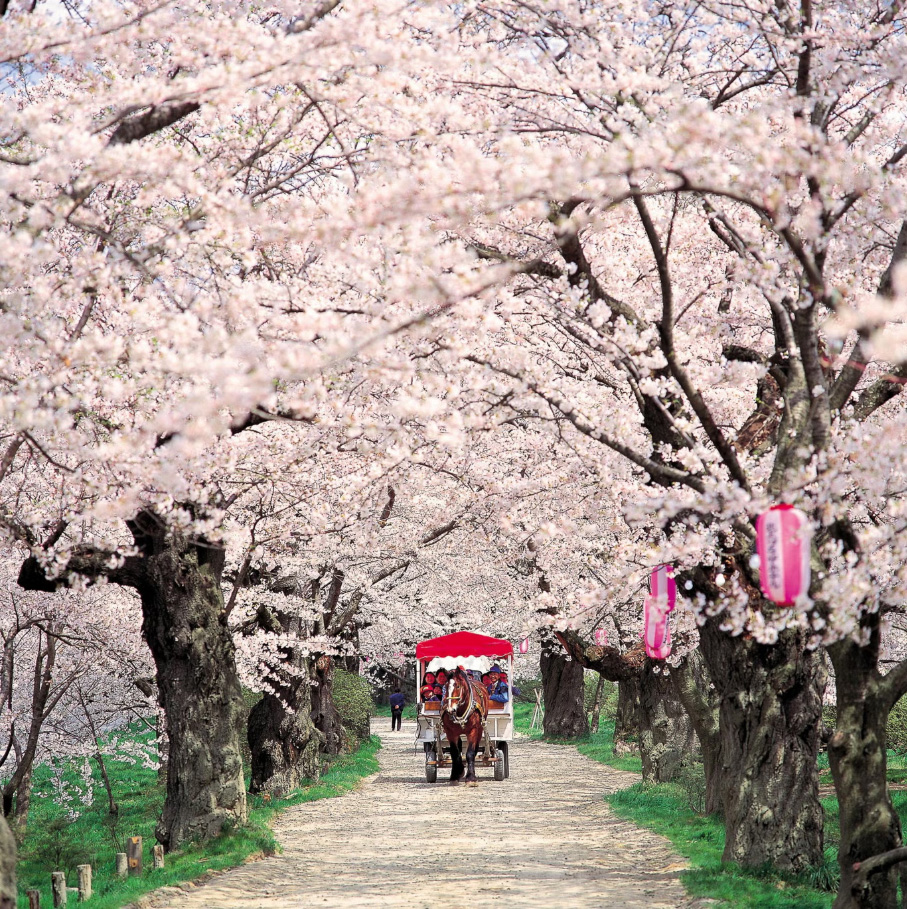
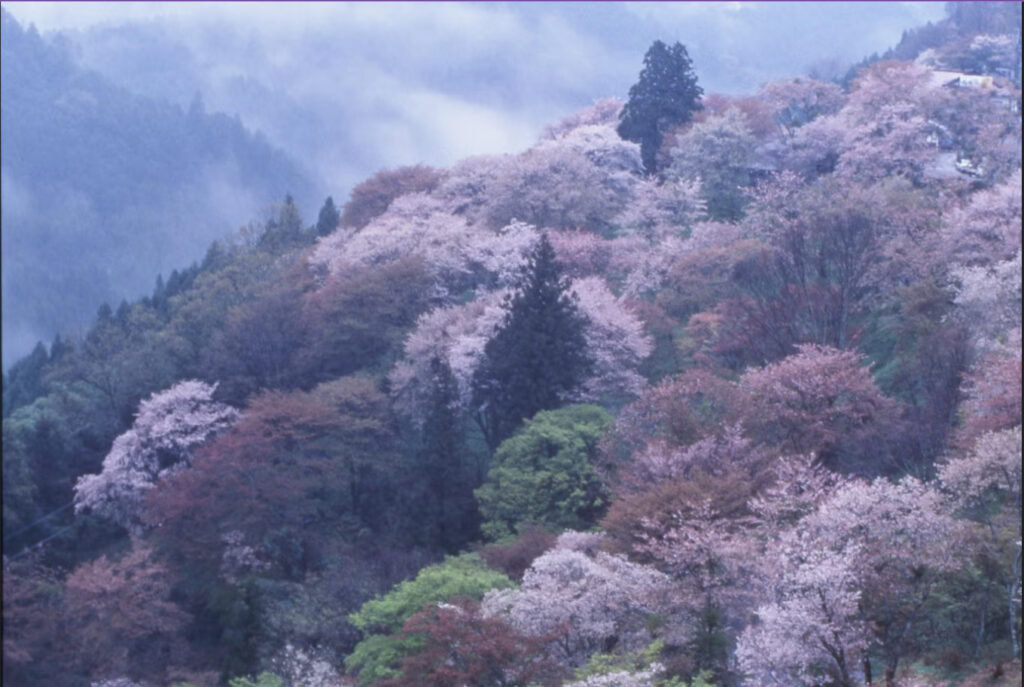
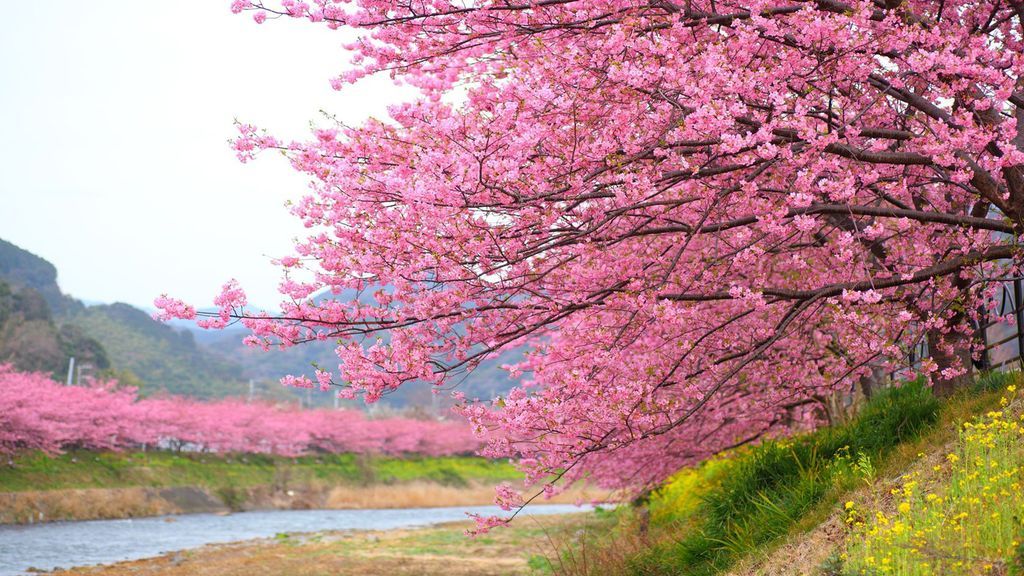
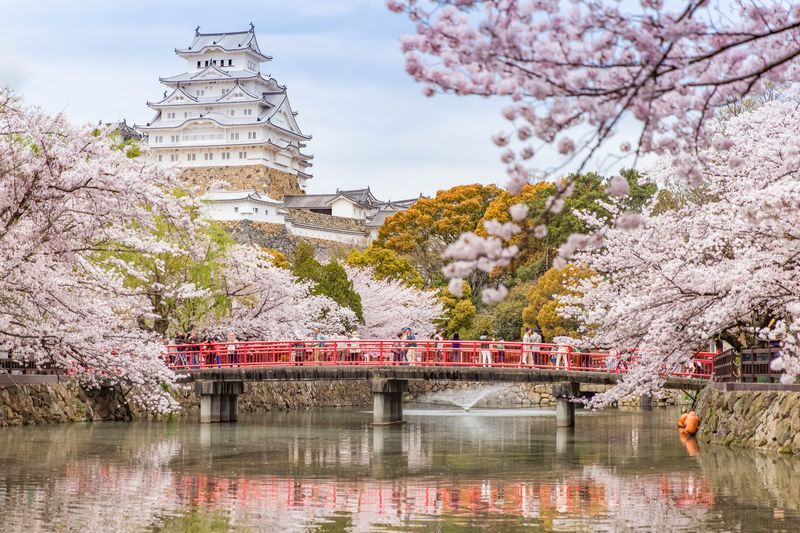
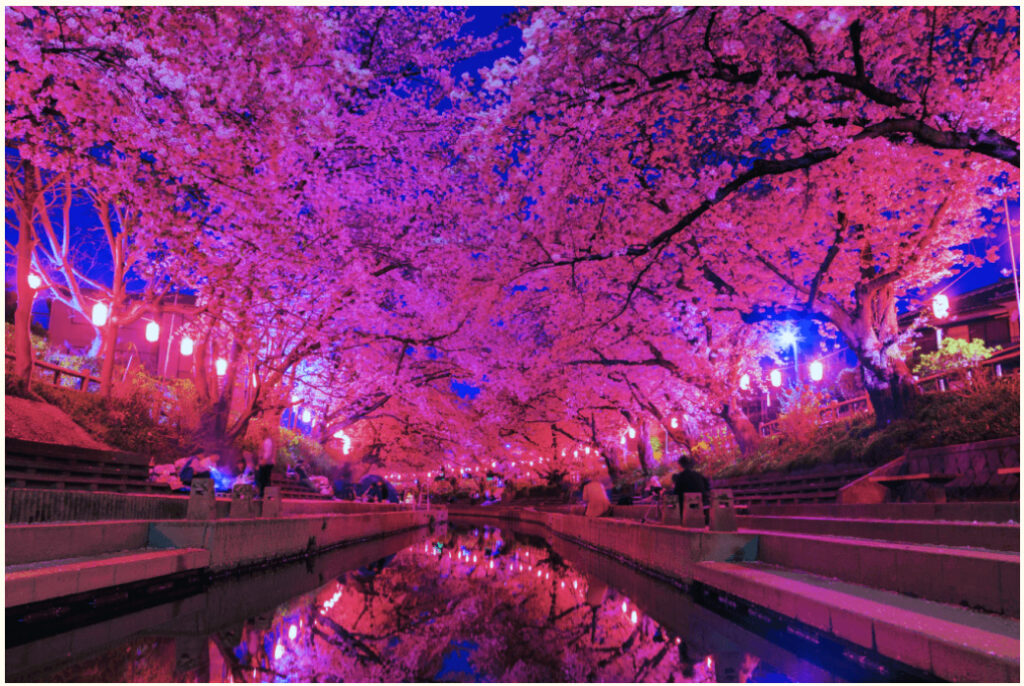
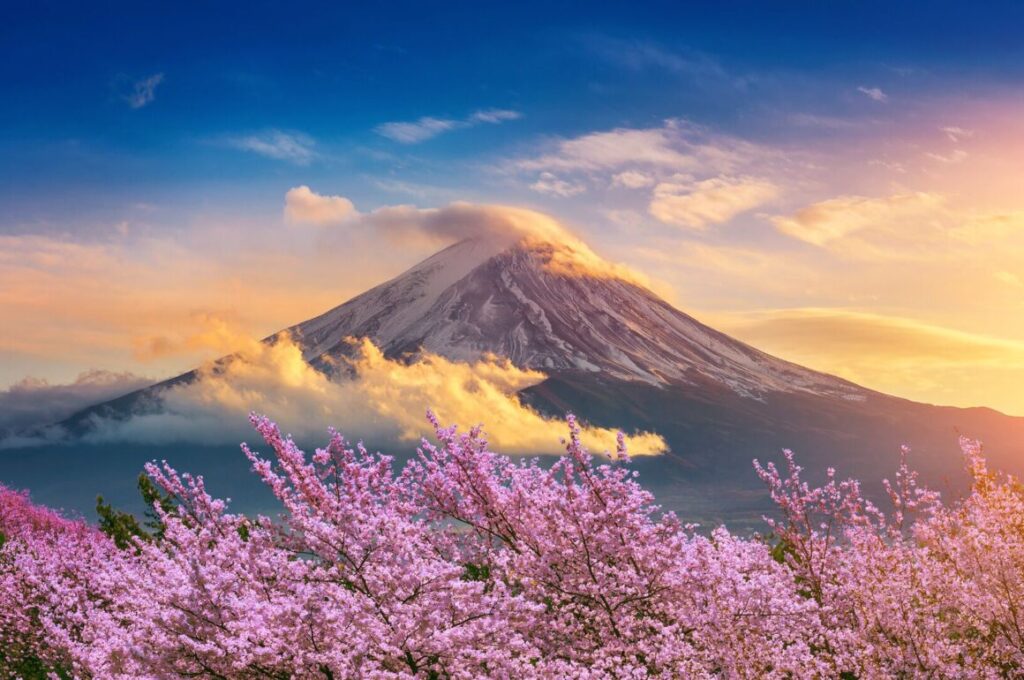
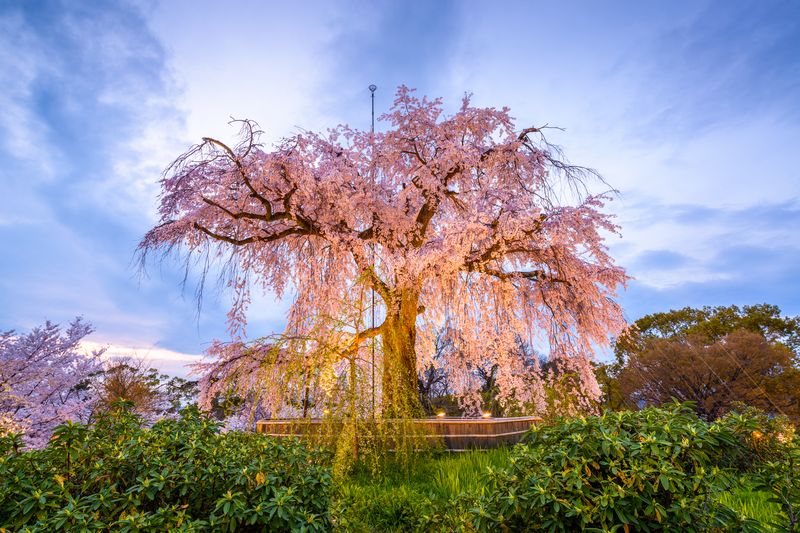
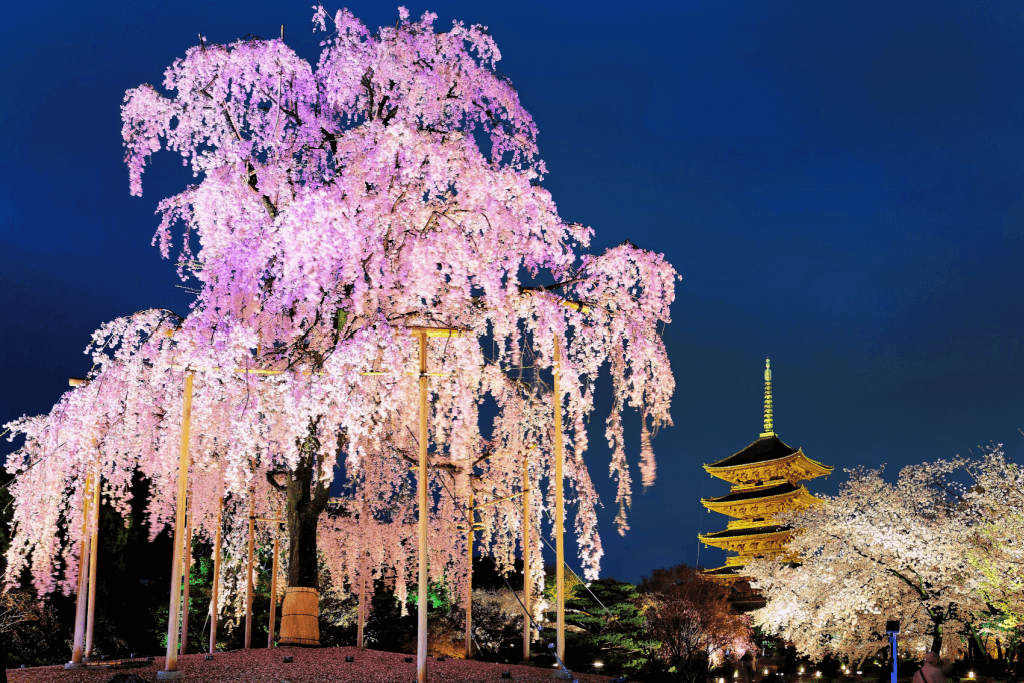
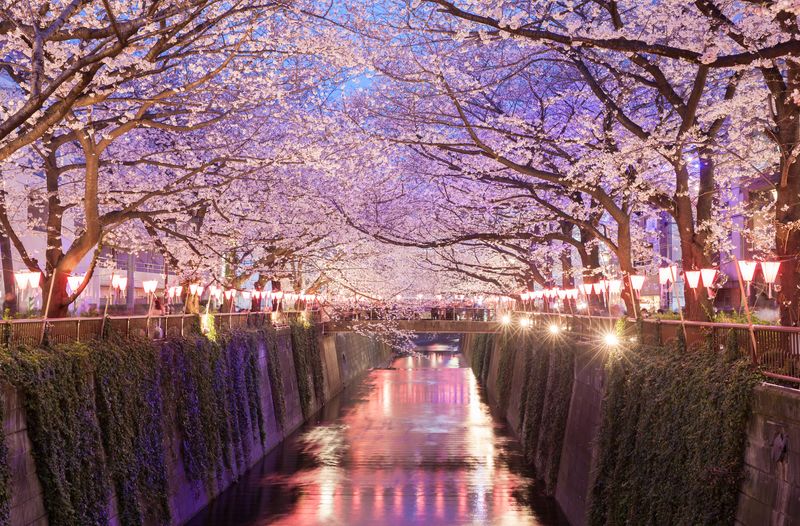
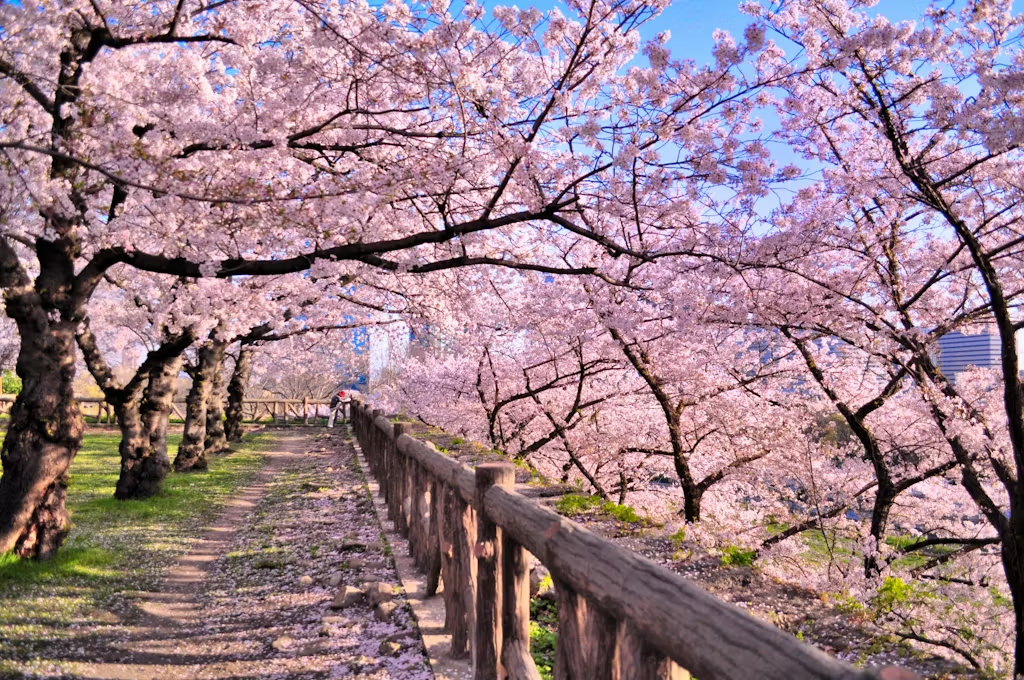
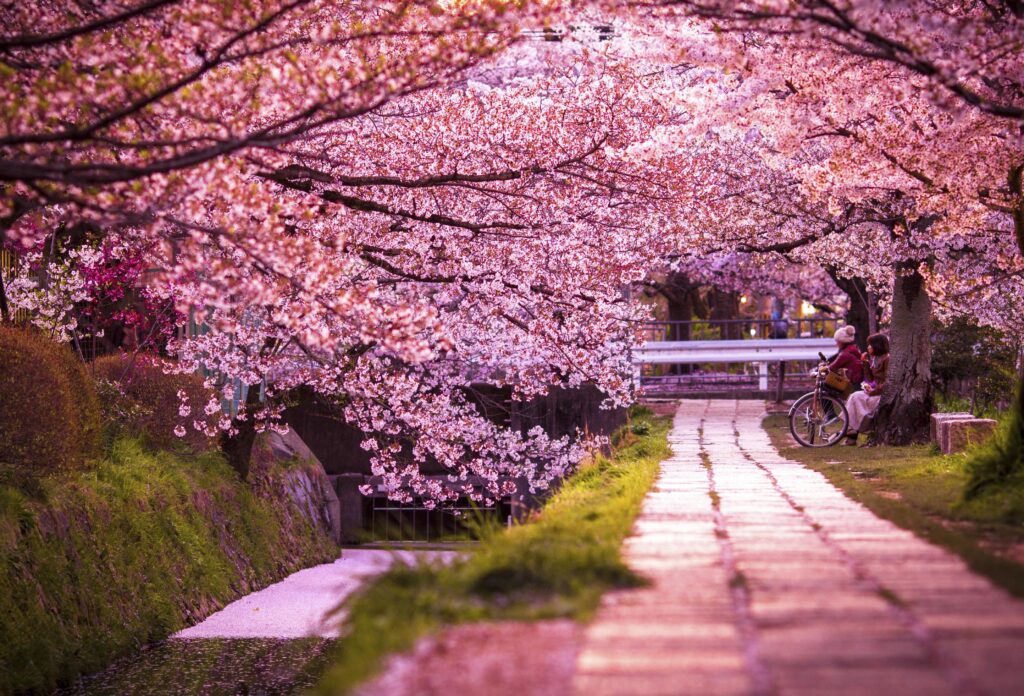
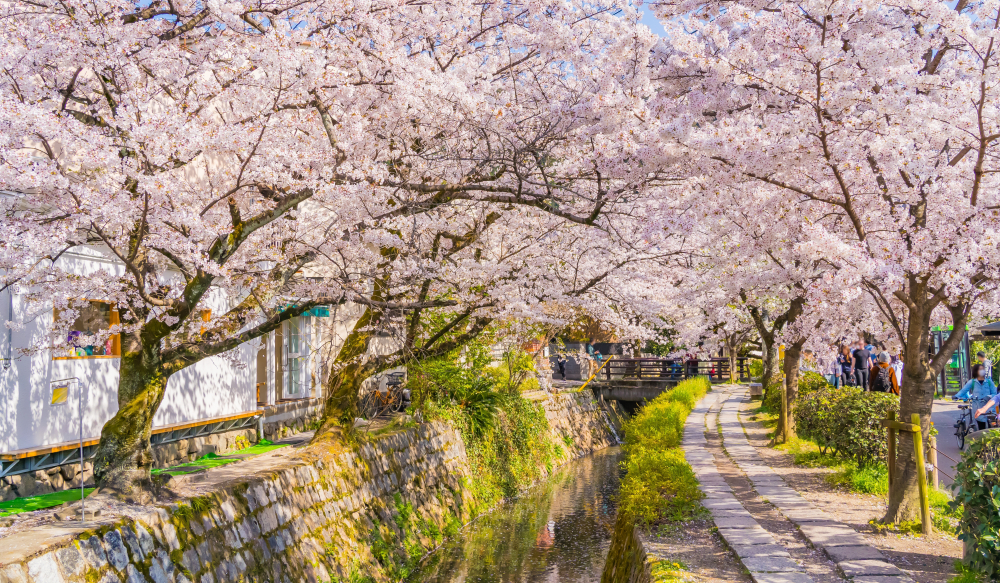
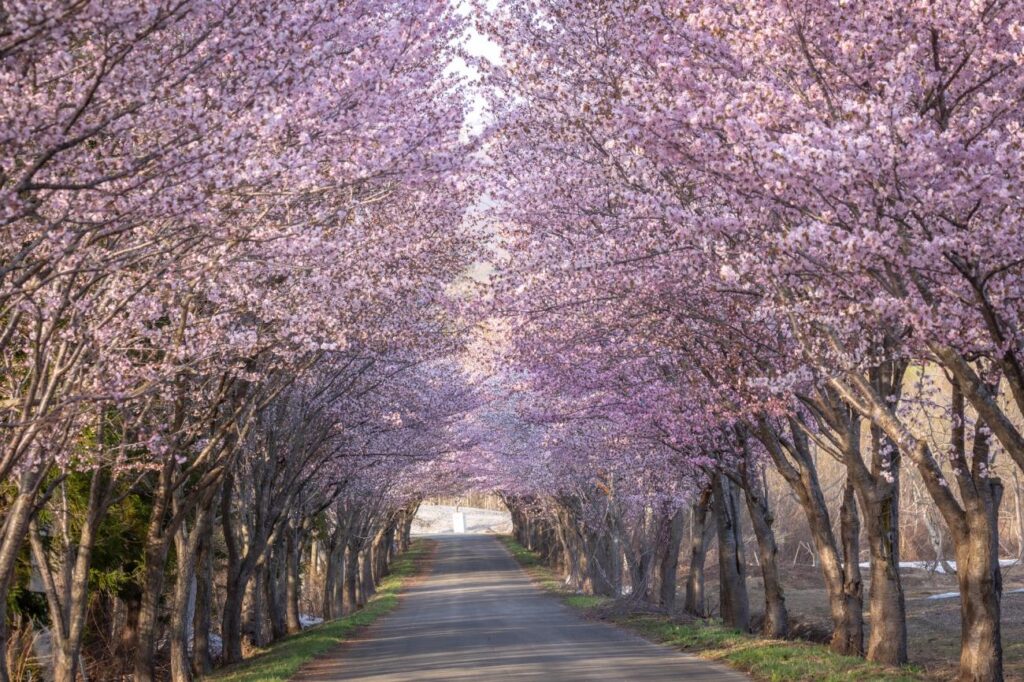
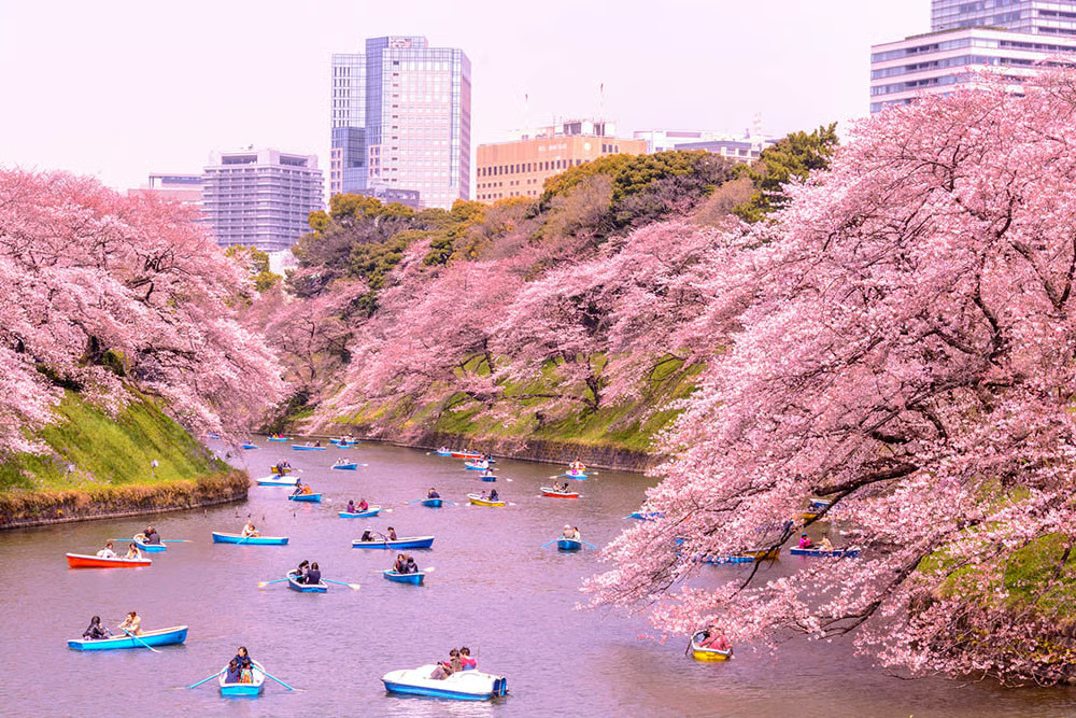
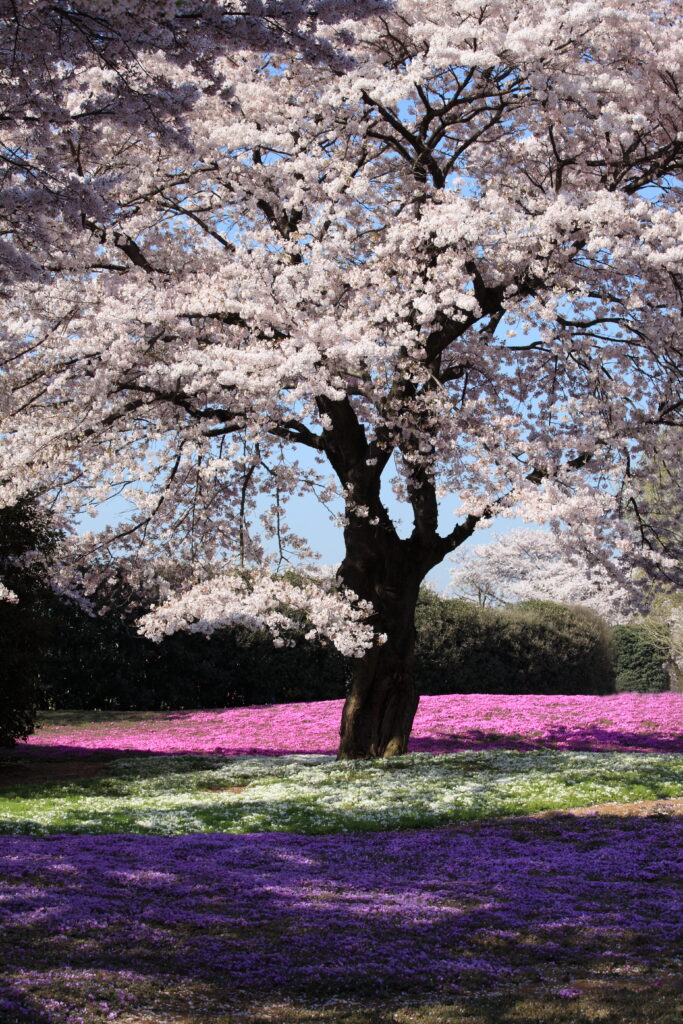
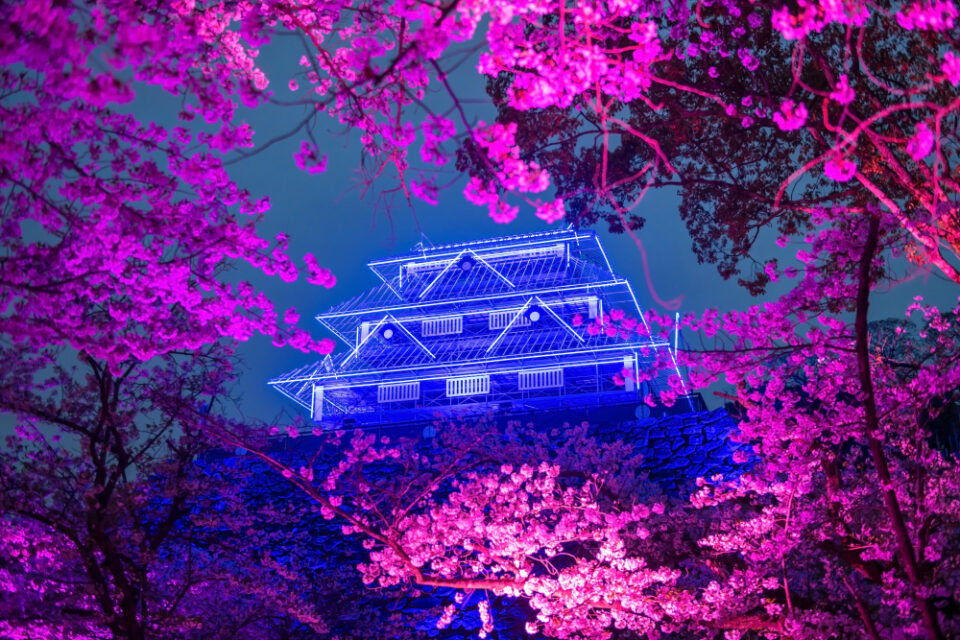
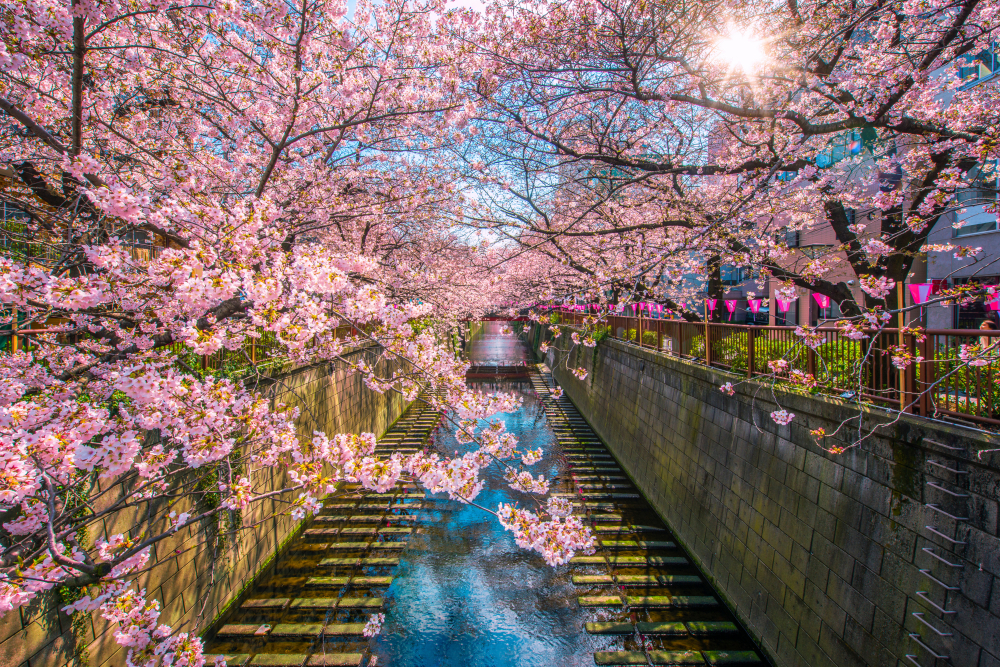
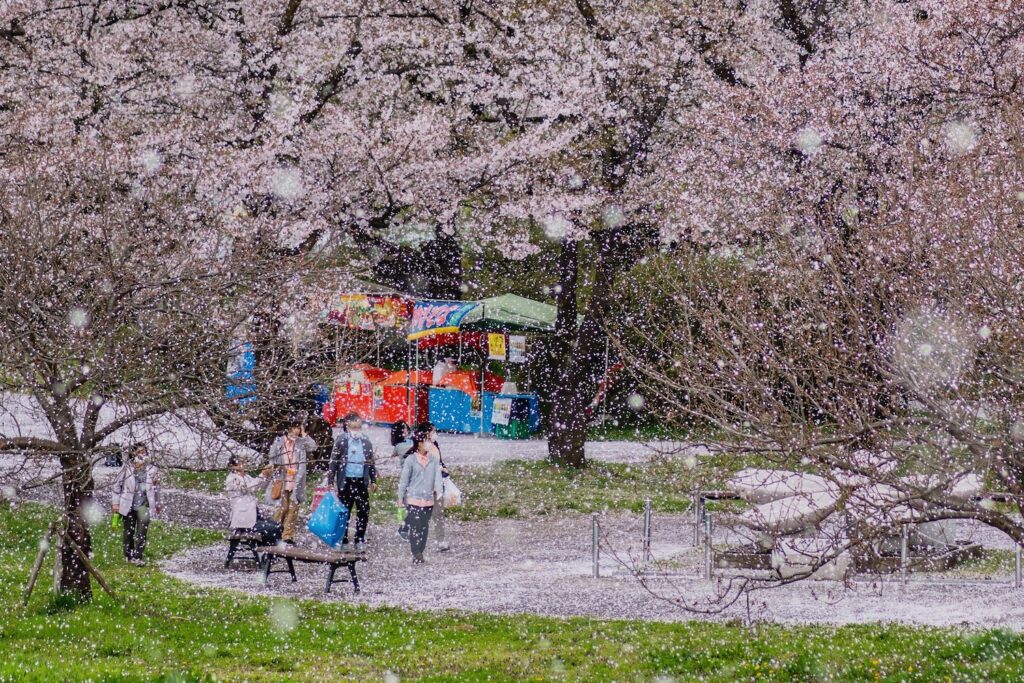
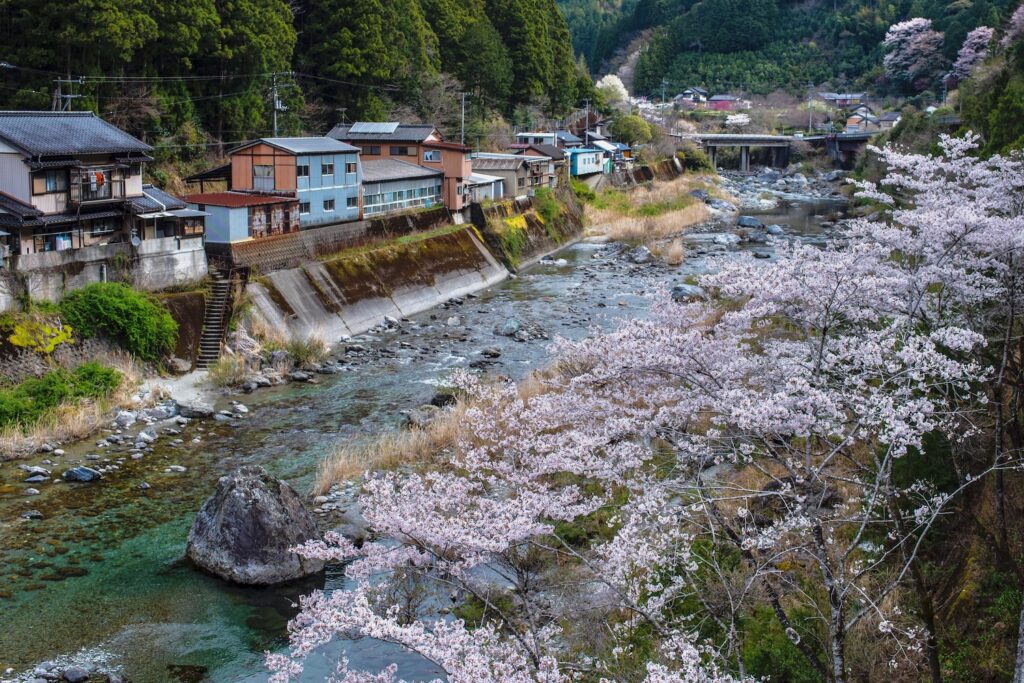
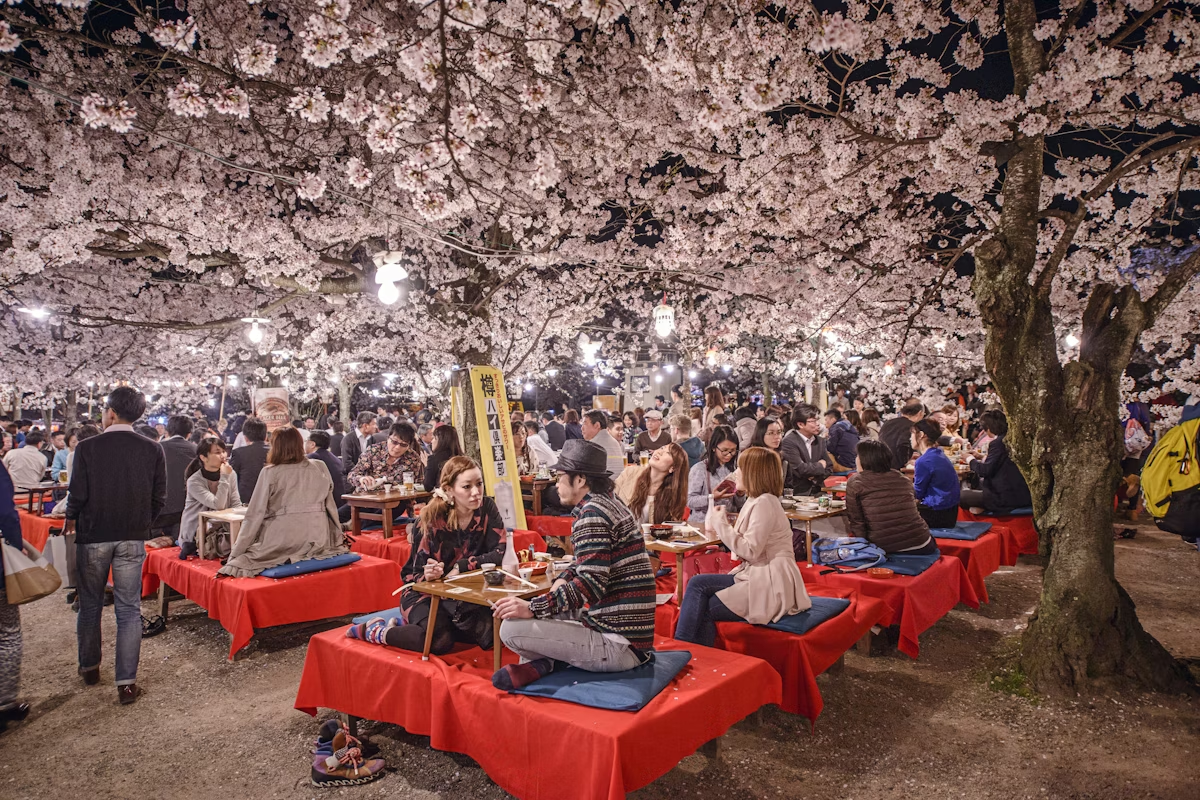
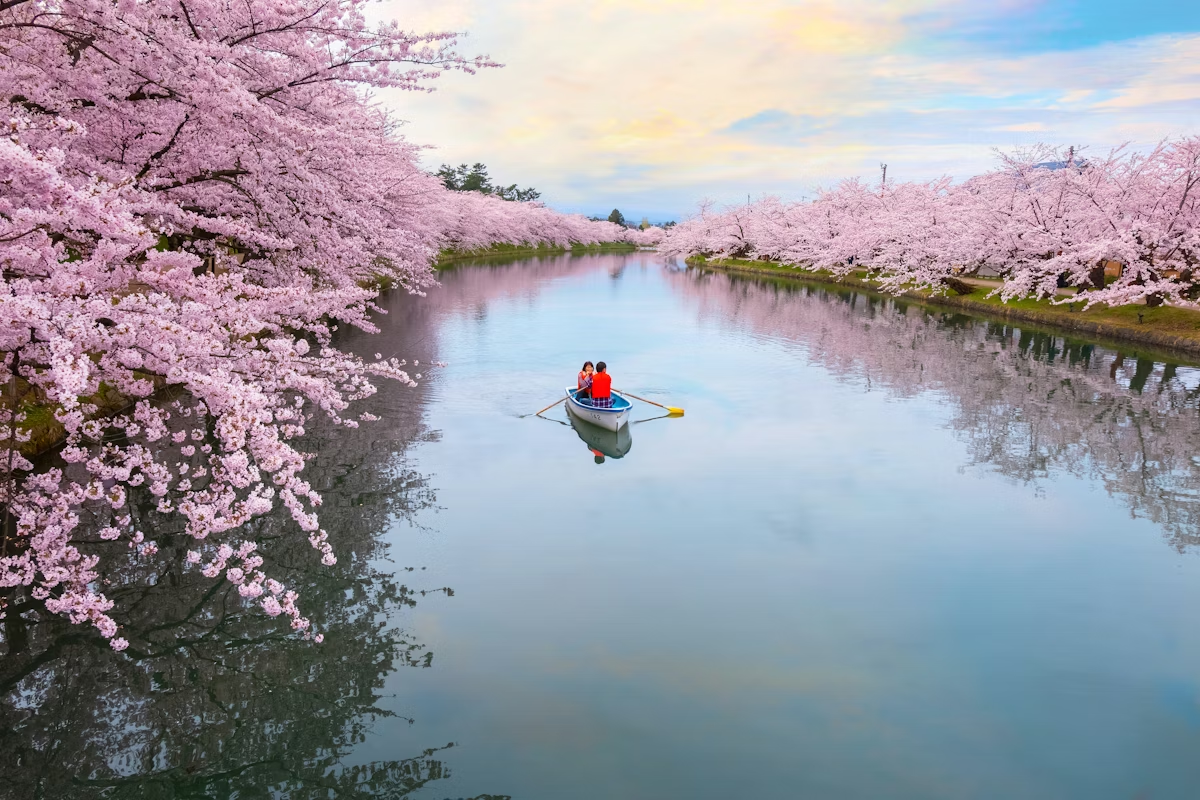
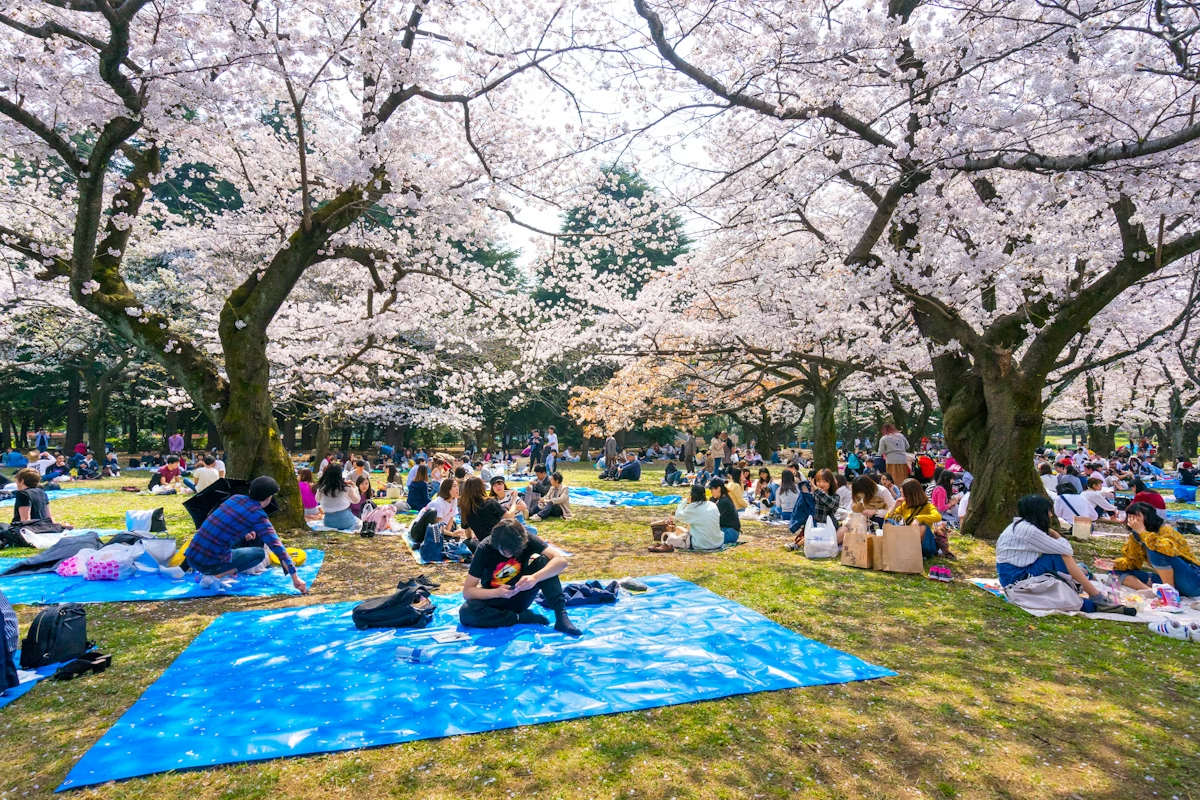
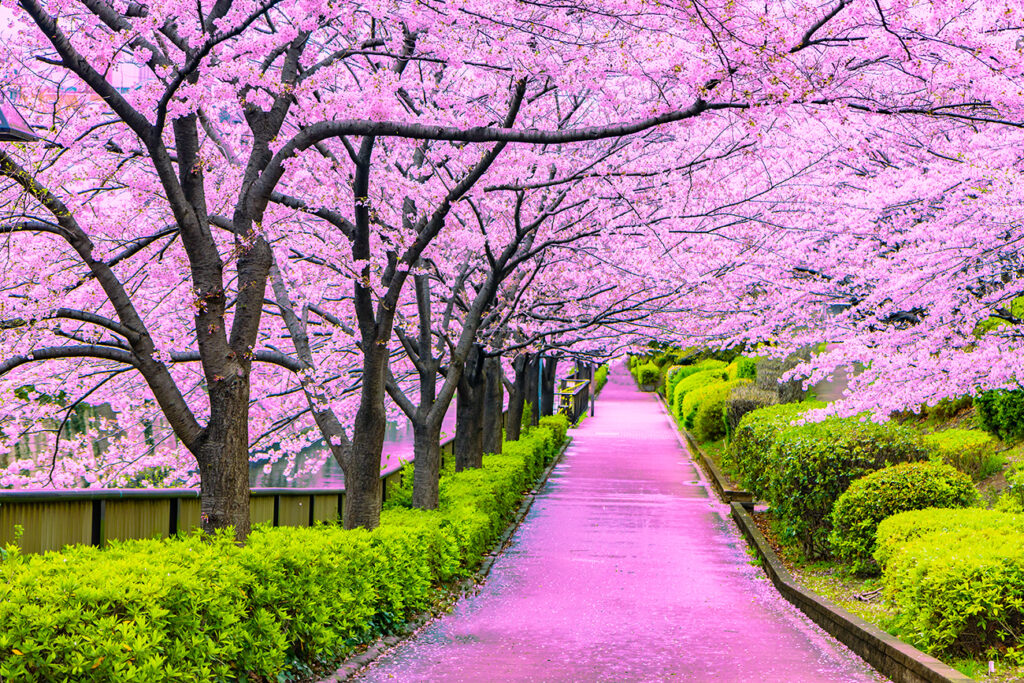
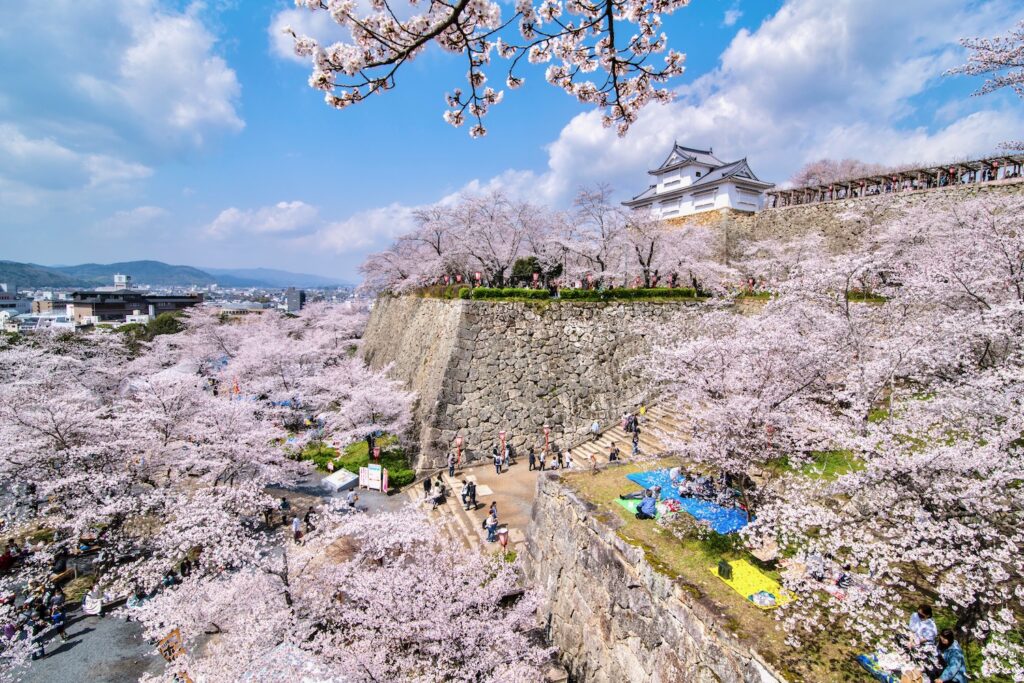
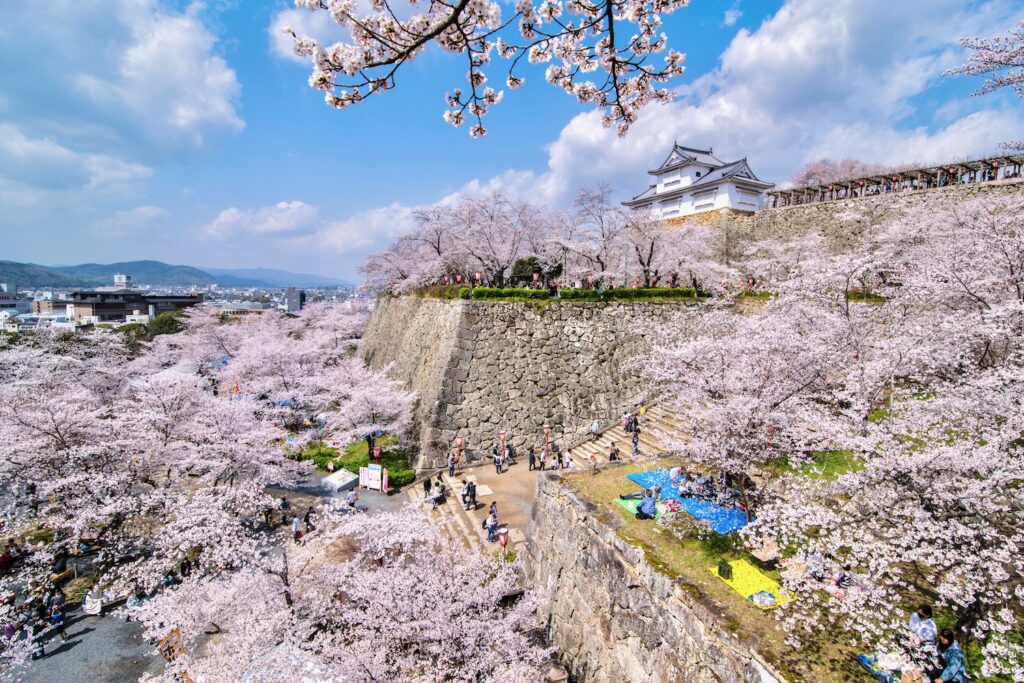
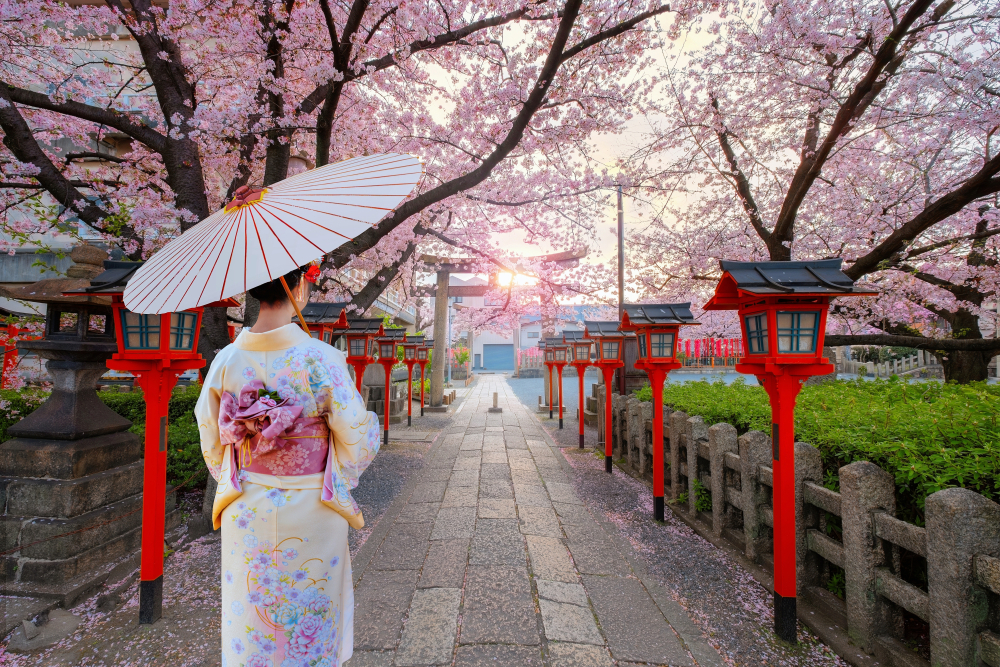
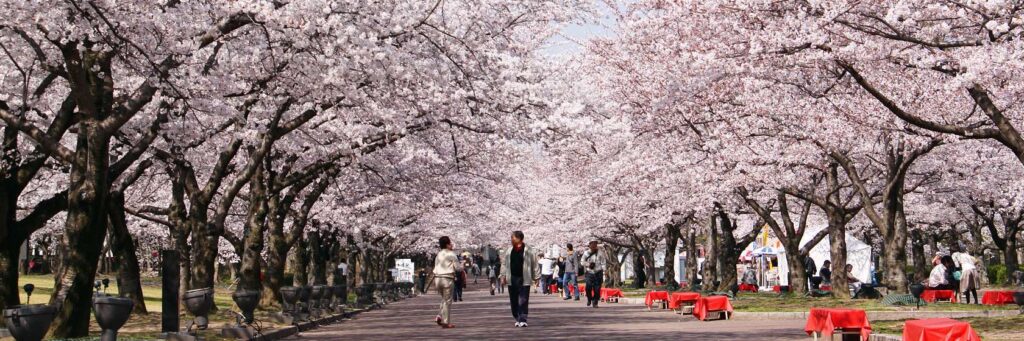
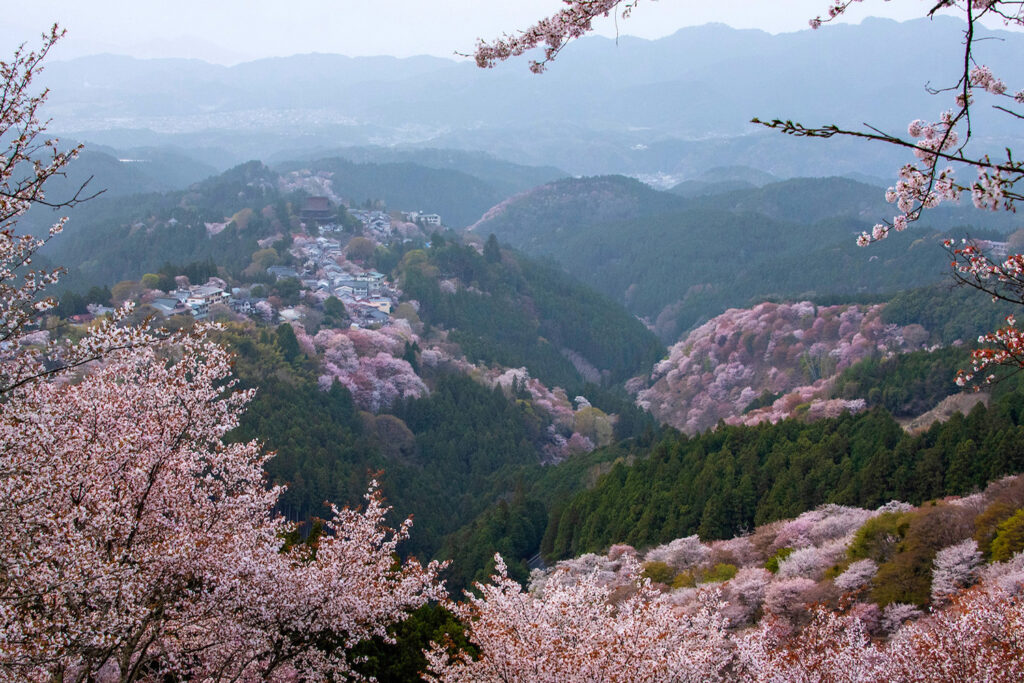
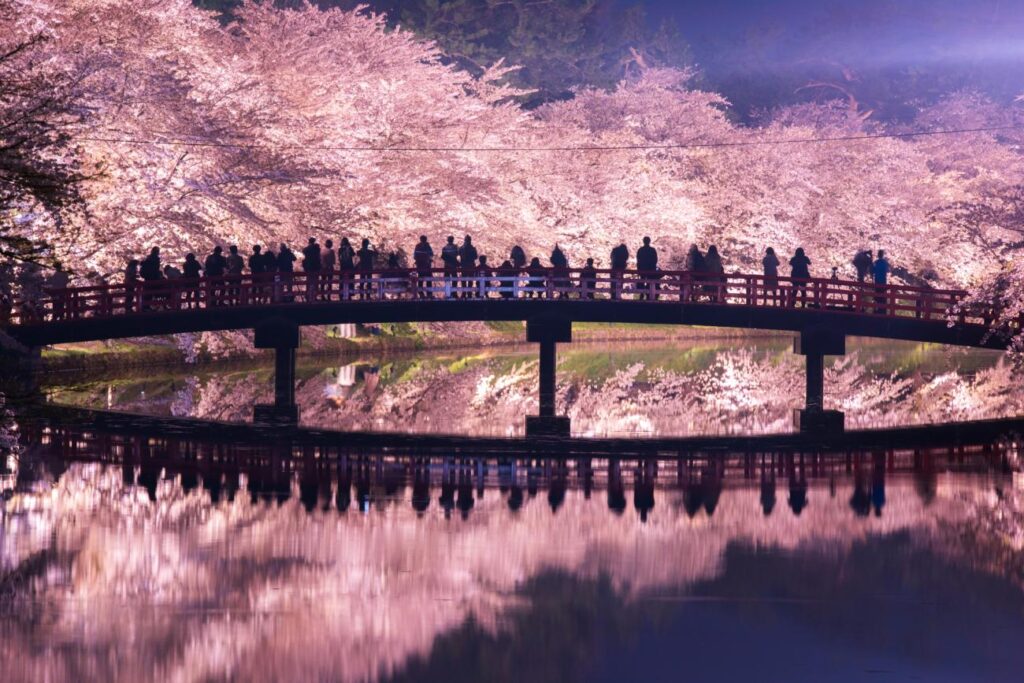
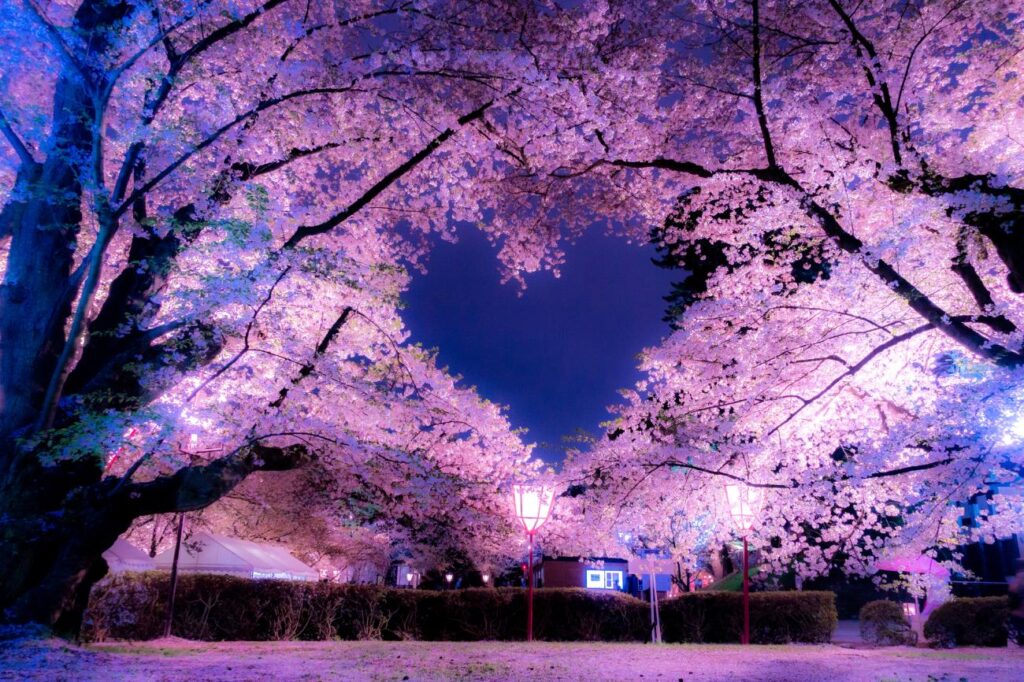
• April (cherry blossoms, 60–70°F / 15–21°C)
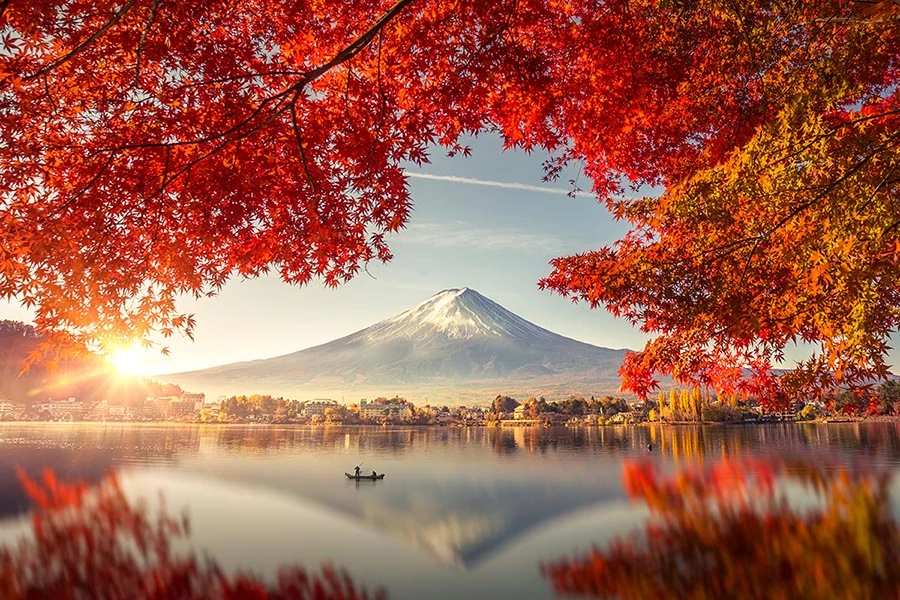
• October (clear skies, 65–75°F / 18–24°C)
• Beach/body of water (name) & distance:
• Odaiba Seaside Park (Tokyo Bay, 30–40 min from HND)
• Enoshima/Kamakura beach (1 hr from Tokyo)
• Nagasaki Bay waterfront
• Hotel (examples & nightly rates):
• Tokyo – The Peninsula Tokyo ($550–750) / Park Hotel Tokyo ($250–350)
• Osaka – Conrad Osaka ($400–600) / Cross Hotel ($200–300)
• Kyoto – Ritz-Carlton Kyoto ($700+) / Hotel Granvia Kyoto ($250–350)
• Hiroshima – Sheraton Grand Hiroshima ($250–350)
• Nagasaki – Hotel New Nagasaki ($200–300)
• Estimated total trip cost (flights + hotels, 2 people, 14 nights):
$9,500–$12,500 (economy flights ~$3,000–4,000; hotels ~$6,500–8,500).
• Backup nearby option:
If Kyoto or Osaka fully booked → stay in Kobe (30 min from Osaka, bayside city).
• Fashion/brand tie-ins on trip:
• Fendi boutiques: Ginza (Tokyo), Osaka Umeda
• Omotesando & Ginza luxury rows in Tokyo
• Japanese craft tie-in: Kyoto silk & Nishijin weaving (luxury textile heritage)
• Food plan (signature spots; 2–4 picks per city):
• Tokyo: Sushi Kyubey (Ginza), Tempura Kondo, Ichiran ramen
• Osaka: Dotonbori street food, Mizuno okonomiyaki, Kuromon Market
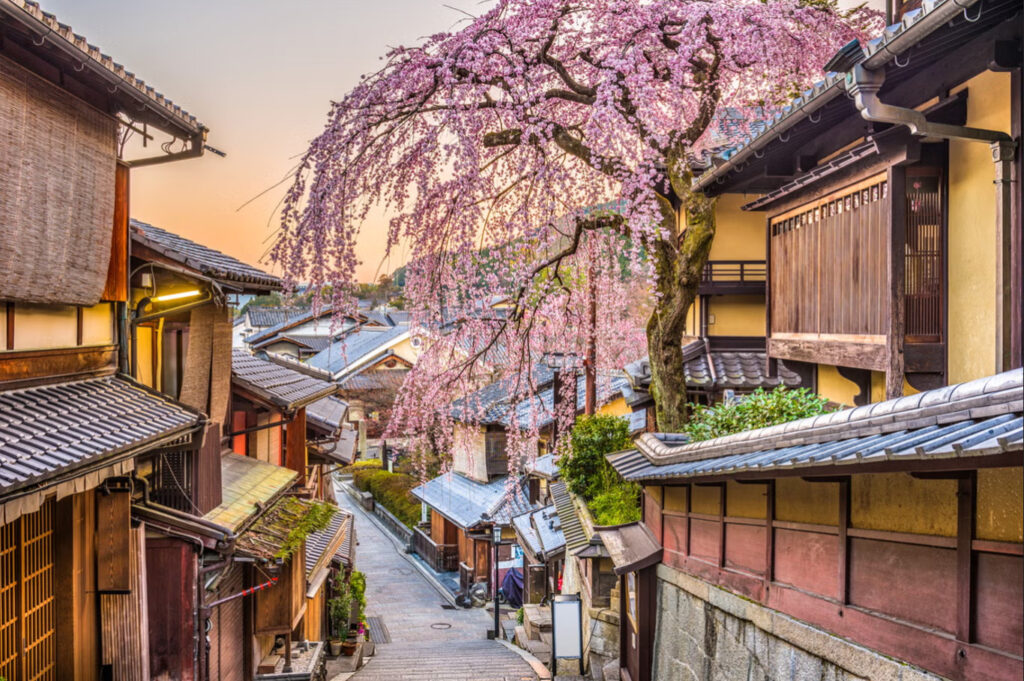
• Kyoto: Kaiseki at Gion, tea ceremony in Higashiyama, Nishiki Market
• Hiroshima: Okonomiyaki Mitchan, oysters near Hondori
• Nagasaki: Champon noodles, Castella cake, Dejima waterfront dining
• Itinerary (14 days):
Days 1–3: Tokyo — Ginza shopping (Fendi flagship), Meiji Shrine, Shibuya, Omotesando, Odaiba Seaside Park, Tsukiji outer market, sumo or teamLab Planets.
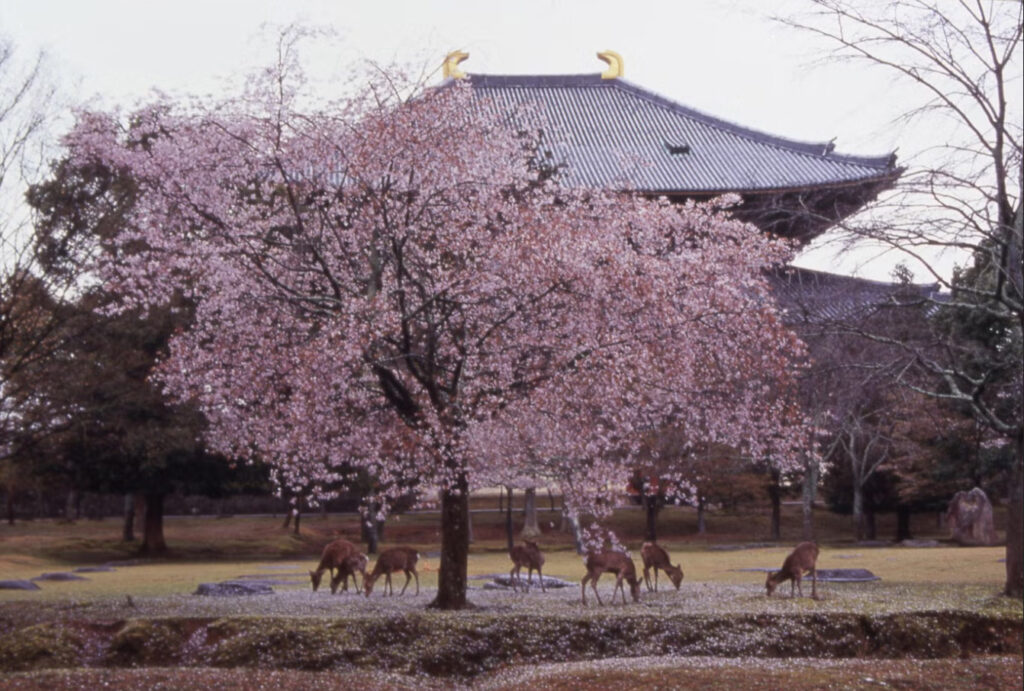
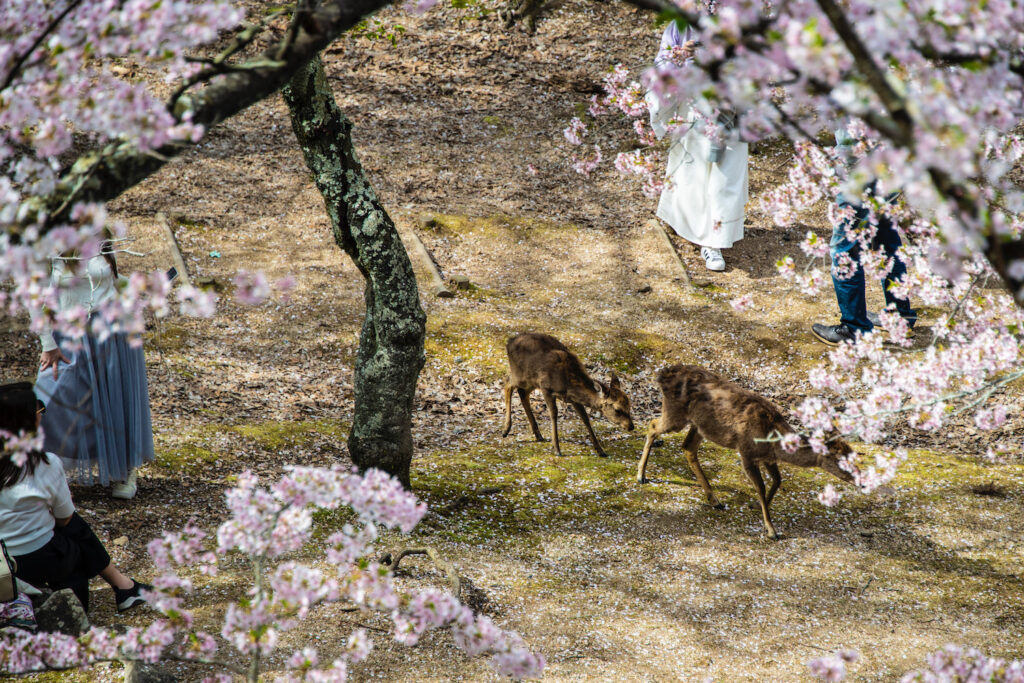
Days 4–6: Osaka — Dotonbori lights, Osaka Castle, Kuromon Market, Umeda Sky Building, day trip to Nara (giant Buddha + deer park).
Days 7–9: Kyoto — Golden Pavilion (Kinkaku-ji), Arashiyama bamboo forest, Fushimi Inari Shrine, Gion at night, Nishiki Market.
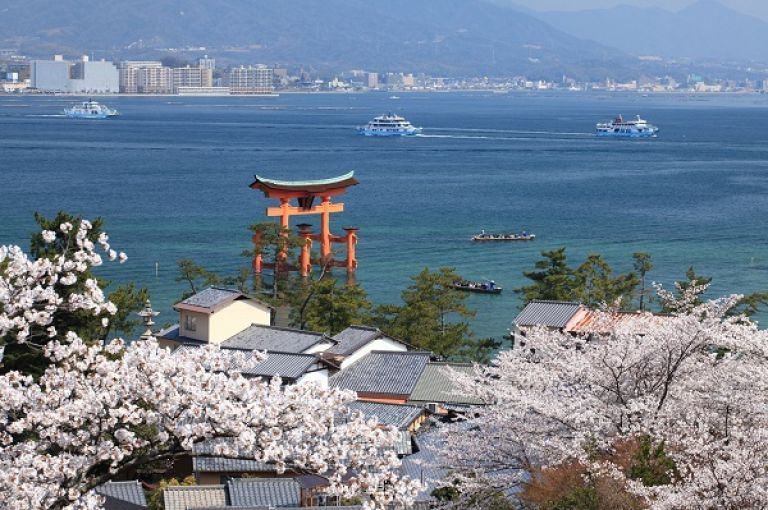
Days 10–11: Hiroshima — Peace Memorial Park, Atomic Bomb Dome, Hiroshima Castle, Miyajima Island (floating torii gate).
Days 12–13: Nagasaki — Glover Garden, Dejima, Peace Park, Nagasaki Bay waterfront.
Day 14: Return via Tokyo — Flight back ORD.
• Risks/notes:
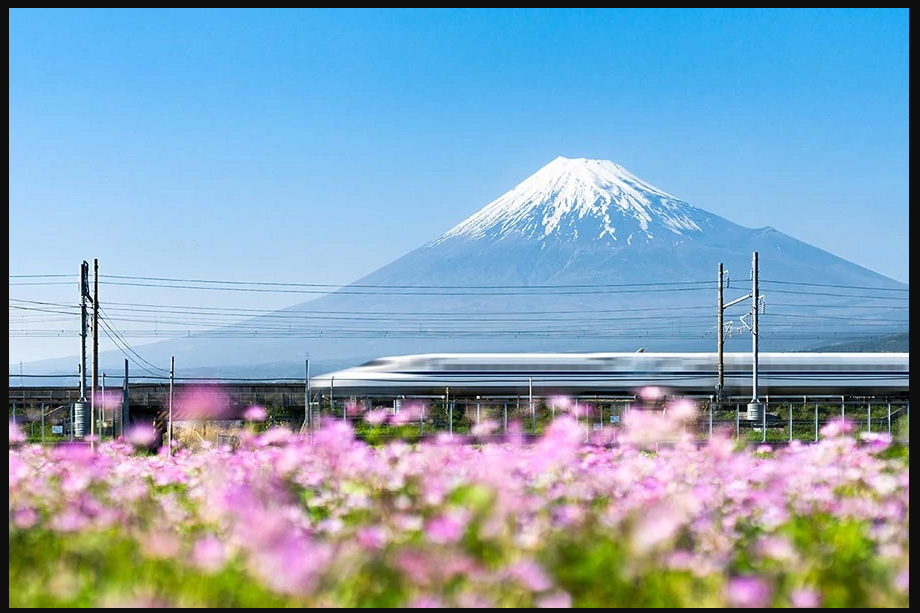
• Book trains via JR Pass (7–14 day pass recommended).
• Cherry blossom season = crowded hotels; book 6–12 months ahead.
• Summer = humid + typhoon risk; autumn is most stable.
• Many spots close early (9–10pm). Carry some yen.
TOKYO
Tokyo (4 days total)
Connection to bag
Tokyo is Japan’s fashion capital — Ginza Six, Omotesando, Shibuya. The purple Fendi matches the city’s mix of luxury refinement (imperial, Ginza) and vibrant pop culture (Harajuku, Shibuya neon).
⸻
Day 1 — Arrival & Bay Views
• Check-in: The Peninsula Tokyo (Ginza, $550–750/night) or Park Hotel Tokyo ($250–350, art-themed).
• Afternoon: Walk to Hibiya Park & Imperial Palace gardens for a relaxed start.
• Evening: Head to Odaiba Seaside Park (Tokyo Bay, Rainbow Bridge views).
• Dinner: Waterfront dining in Odaiba or izakaya in Shimbashi.
⸻
Day 2 — Ginza Luxury & Fendi
• Morning: Explore Ginza Six, visit the Fendi flagship — bag’s homecoming.
• Lunch: Sushi at Kyubey (classic Ginza sushi-ya).
• Afternoon: Shopping stroll through Omotesando (architecture: Prada, Dior, Fendi).
• Evening: Sunset cocktails at Andaz Tokyo Rooftop.
• Dinner: Tempura Kondo (Michelin-star tempura).
⸻
Day 3 — Pop Culture & Old Tokyo
• Morning: Shibuya Crossing and Hachiko statue → purple bag photo with neon backdrop.
• Lunch: Harajuku crepes or ramen at Afuri (yuzu shio ramen).
• Afternoon: Meiji Shrine (contrast purple bag with vermilion torii + forest paths).
• Evening: Asakusa & Senso-ji Temple — Nakamise shopping street.
• Dinner: Yakiniku dinner at Nikutei Futago (grilled wagyu).
• Night: Explore Golden Gai in Shinjuku — tiny retro bars.
OSAKA
Osaka (3 days)
Connection to bag
The bold purple color reflects Osaka’s lively, neon-lit nightlife and street culture. The SHW (silver hardware) pairs with the city’s modern architecture and futuristic vibe.
⸻
Day 1 — Arrival & Nightlife
• Check-in: Conrad Osaka (modern skyline views; ~$400/night)
• Afternoon: Explore Shinsaibashi-suji Shopping Street (boutiques + Fendi store for a “sister bag” visit).
• Dinner: Mizuno in Dotonbori — iconic okonomiyaki.
• Night: Neon stroll along Dotonbori Canal, photos with the purple bag under the Glico Man sign.
⸻
Day 2 — Castles & Street Food
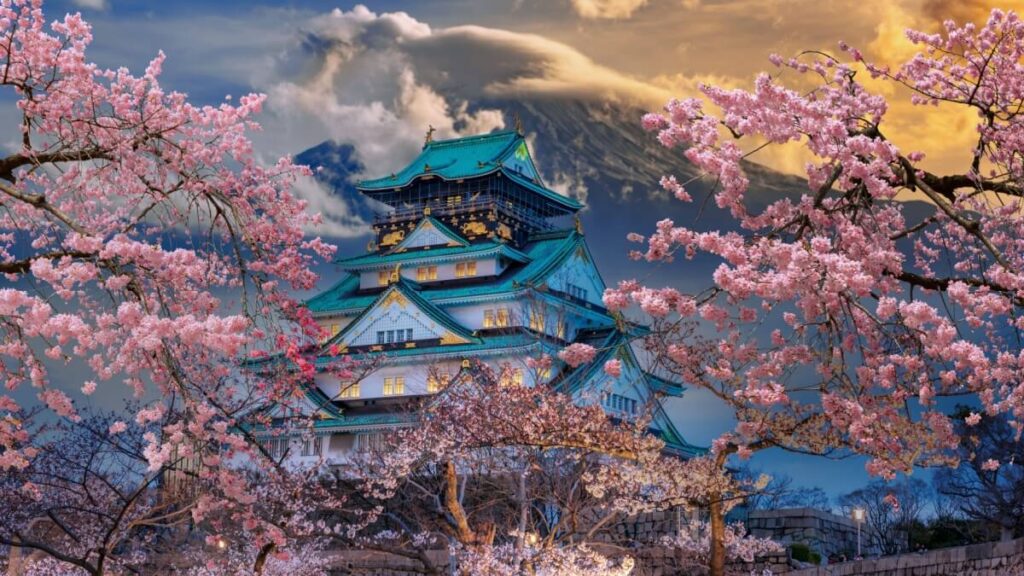
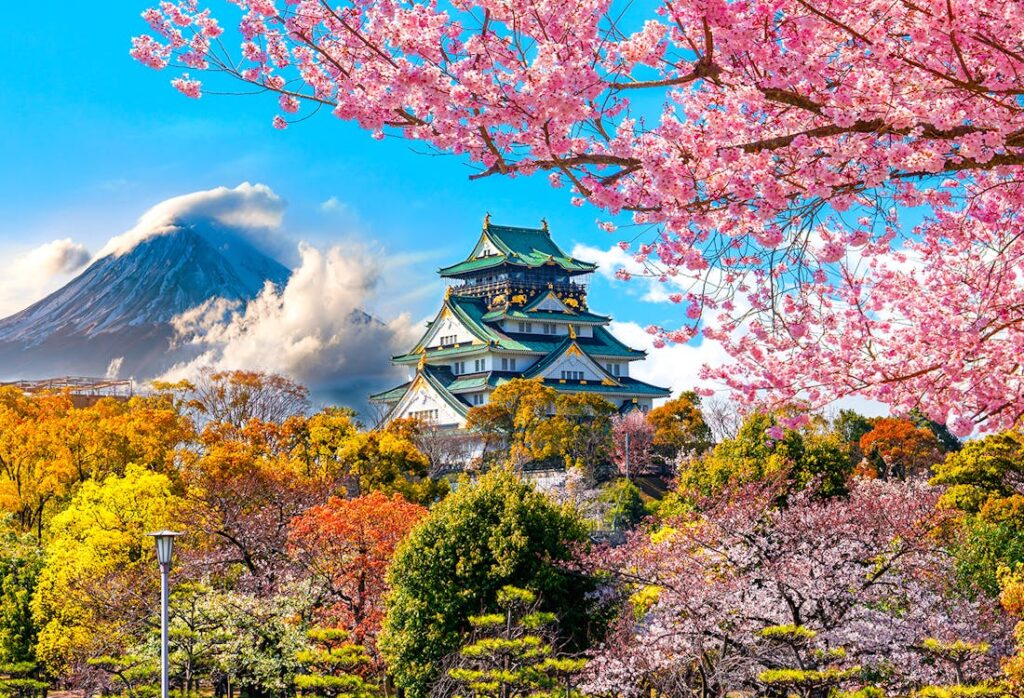
• Morning: Osaka Castle — bag photo op with purple leather against historic golden crests.
• Lunch: Kuromon Ichiba Market — takoyaki (octopus balls), grilled wagyu skewers.
• Afternoon: Osaka Aquarium Kaiyukan — walk the circular tanks together.
• Dinner: Matsusakagyu Yakiniku M — premium wagyu beef (reserve in advance).
• Night: Rooftop bar at Harukas 300 for city views.
⸻
Day 3 — Day trip or theme park
Option A
• Universal Studios Japan (Harry Potter, Mario Kart)
• Carry the purple Fendi crossbody for fun, functional theme park photos.
Option B
• Day trip to Nara (40 min train) — deer park + Todai-ji Great Buddha.
• Lunch: local persimmon leaf sushi.
• Dinner back in Osaka: Kani Doraku (giant crab restaurant with moving claw sign).
⸻
Food plan (Osaka highlights)
• Street eats: okonomiyaki, takoyaki, kushikatsu skewers.
• Upscale: wagyu yakiniku, kaiseki.
• Desserts: matcha parfaits, fluffy souffle pancakes.
⸻
Risks/Notes
• Osaka is busier on weekends — book restaurants early.
• USJ needs express passes for rides (buy online in advance).
• September weather: 75–85°F (humid; bring breathable fabrics).
KYOTO
Kyoto (3 days)
Connection to bag
Purple has deep meaning in Japan, symbolizing nobility, spirituality, and refinement — all of which are embodied in Kyoto’s temples, geisha districts, and imperial history. The bag fits perfectly against golden temples and traditional kimonos.
⸻
Day 1 — Temples & Gardens
• Check-in: Ritz-Carlton Kyoto (luxury riverside, $700+/night) or Hotel Granvia Kyoto ($250–350, central).
• Morning: Kinkaku-ji (Golden Pavilion) — purple bag photo against the golden temple reflected in the pond.
• Lunch: Yudofu (tofu hotpot) near Nanzen-ji.
• Afternoon: Ryoan-ji Zen Garden (stone garden minimalism).
• Dinner: Kaiseki dinner at Gion Karyo (multi-course seasonal cuisine).
• Evening: Walk through Gion (geisha district, lantern-lit streets).
⸻
Day 2 — Arashiyama & Nishiki Market
• Morning: Train to Arashiyama → stroll through the Bamboo Grove with the purple bag for contrast shots.
• Late morning: Visit Tenryu-ji Temple and its gardens.
• Lunch: Riverside soba or tempura along Katsura River.
• Afternoon: Return to central Kyoto → Nishiki Market food crawl (matcha mochi, grilled eel skewers, soy donuts).
• Dinner: Modern kaiseki at Hyotei (Michelin, if available).
• Evening: Night walk through Pontocho Alley — narrow riverside dining street with atmospheric lanterns.
⸻
Day 3 — Shrines & Tea Culture
• Morning: Fushimi Inari Shrine — iconic red torii gates; the purple Fendi pops beautifully against the vermilion paths.
• Lunch: Fushimi sake district tasting (optional).
• Afternoon: Traditional Tea Ceremony in Higashiyama (wear yukata/kimono if desired).
• Dinner: Tempura dinner near Kiyomizu-dera.
• Evening: Stroll Kiyomizu-dera Temple at sunset for panoramic city views.
⸻
Food plan (Kyoto highlights)
• Kaiseki dining — multi-course haute cuisine (Gion, Hyotei).
• Matcha sweets — parfaits, mochi, soft serve.
• Tofu & vegetarian cuisine — Buddhist shojin ryori near temples.
• Market foods — skewers, mochi, pickles at Nishiki Market.
⸻
Risks/Notes
• Kyoto is extremely popular in April (cherry blossoms) and November (autumn leaves) → must reserve hotels early.
• Many temples close by 5:00 pm — plan early starts.
• Taxis can be hard to get in peak seasons → use IC cards for trains/buses.
HIROSHIMA
Hiroshima (2 days)
Connection to bag
The purple Fendi reflects Hiroshima’s dual identity — a city of remembrance and resilience transformed into a symbol of peace and cultural strength. The silver hardware mirrors the modern city built around deep history.
⸻
Day 1 — Memory & Renewal
• Check-in: Sheraton Grand Hiroshima (next to JR station, ~$250–350/night).
• Morning: Hiroshima Peace Memorial Park & Museum — Atomic Bomb Dome, Children’s Peace Monument. Carry the bag subtly here (respectful environment).
• Lunch: Okonomimura — Hiroshima-style layered okonomiyaki with noodles.
• Afternoon: Stroll Hondori Shopping Arcade — fashion + local boutiques.
• Dinner: Fresh oysters (Hiroshima is Japan’s oyster capital) — try Ekohiiki or a waterfront oyster bar.
• Evening: Walk along the Motoyasu River at night, bridges lit softly.
⸻
Day 2 — Miyajima Island
• Morning: Train + ferry (~45 min) to Miyajima (Itsukushima Shrine).
• Iconic floating red torii gate → purple bag photos against vermilion gates & sea.
• Feed deer, hike or cable car up Mt. Misen for views.
• Lunch: Grilled oysters & momiji manju (maple-leaf cakes).
• Afternoon: Explore Daisho-in Temple before ferry back.
• Dinner: Casual izakaya in Hiroshima Station area.
• Evening: Relax with sake tasting near the station.
⸻
Food plan (Hiroshima highlights)
• Hiroshima okonomiyaki (layered, with soba/udon).
• Fresh oysters — grilled, fried, raw.
• Momiji manju sweets.
• Local sake (Hiroshima Prefecture is a major sake-producing region).
⸻
Risks/Notes
• Peace Museum can be very emotional; allow quiet time afterward.
• Miyajima ferry may be affected by tides/weather → check ahead.
• Spring & autumn = best weather (65–75°F / 18–24°C). Summer humid, winter mild.
NAGASAKI
Nagasaki (2 days)
Connection to bag
Nagasaki’s history as Japan’s most international port city (Dutch, Portuguese, Chinese influences) makes it a cultural mosaic. The purple Fendi represents that blend of refinement and global openness.
⸻
Day 1 — History & Waterfront
• Check-in: Garden Terrace Nagasaki ($300/night, hilltop views) or Hotel New Nagasaki ($200–250, near station).
• Morning: Dejima — former Dutch trading post; European-style streets.
• Lunch: Try Champon noodles (hearty local dish, Chinese-inspired).
• Afternoon: Glover Garden — hillside Western-style mansions, harbor panoramas (bag photo op with bay view).
• Dinner: Waterfront dining in Dejima Wharf, fresh seafood.
• Evening: Mount Inasa night view — one of Japan’s “top 3 nightscapes.” The purple Fendi with city lights = perfect photo.
⸻
Day 2 — Peace & Culture
• Morning: Nagasaki Peace Park & Atomic Bomb Museum — solemn sites honoring history.
• Lunch: Local Castella sponge cake & coffee (Portuguese legacy).
• Afternoon: Sofukuji Temple or Confucius Shrine (Chinese heritage).
• Dinner: Fusion izakaya near Chinatown — mix of Japanese + Chinese flavors unique to Nagasaki.
• Evening: Stroll Meganebashi (Spectacles Bridge) lit at night over the Nakashima River.
⸻
Food plan (Nagasaki highlights)
• Champon noodles (hearty ramen-style soup with seafood/pork).
• Castella cake (Portuguese sponge).
• Sara udon (crispy noodles with toppings).
• Chinatown specialties.
⸻
Risks/Notes
• Terrain is hilly; use trams or taxis for longer walks.
• Weather milder than Tokyo/Kyoto — 70–78°F (21–26°C) in spring/autumn.
• Peace Park & Atomic Bomb Museum can be emotionally heavy — pace the day.
Final Day — Farewell Tokyo
• Morning: Leisurely stroll at Tsukiji Outer Market → fresh sushi breakfast.
• Afternoon: teamLab Planets Tokyo (digital art, immersive, great with the bag).
• Dinner: Easy ramen or tonkatsu near hotel.
• Evening: Airport transfer → depart HND nonstop ORD.
⸻
Food plan (Tokyo highlights)
• Sushi (Kyubey, Tsukiji Market).
• Tempura (Kondo, Tsunahachi).
• Ramen (Ichiran, Afuri).
• Yakiniku (wagyu beef).
• Café culture (Omotesando Koffee, Blue Bottle Aoyama).
⸻
Risks/Notes
• Tokyo is huge — use Suica/PASMO IC cards for seamless trains.
• English menus widely available in major areas.
• Peak seasons (April, Oct) require early bookings for restaurants & hotels.